Aquarius Pattern Lineart Redwork Design Review
As an embroidery designer who spends countless hours testing files for a personalized gift shop, I know that the difference between a good design and a great one often lies in the details. Recently, I had the opportunity to test the Aquarius Pattern Lineart Redwork Design, and I am eager to share my findings with fellow Etsy sellers, crafters, and small business owners looking to expand their catalog of meaningful handmade products. This review is written from the perspective of someone preparing for real customer orders, focusing on how this file performs on actual goods rather than just how it looks on a screen.
First Impressions: Mood and Charm
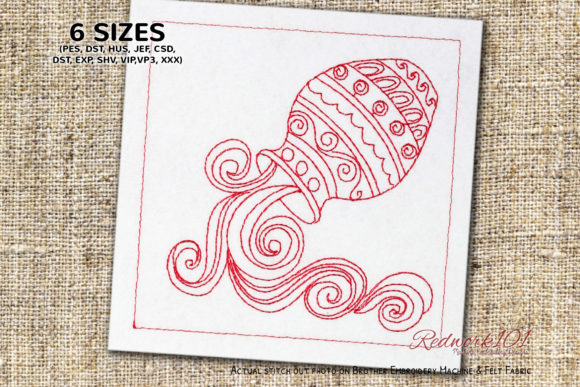
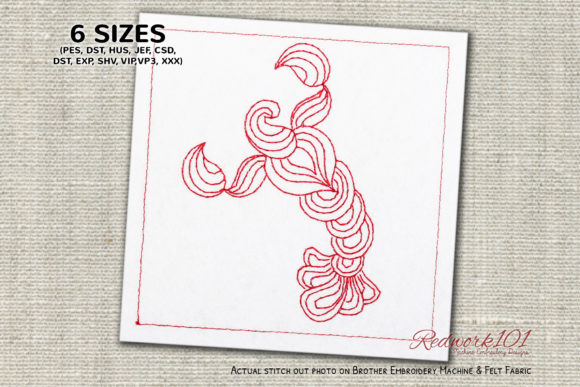
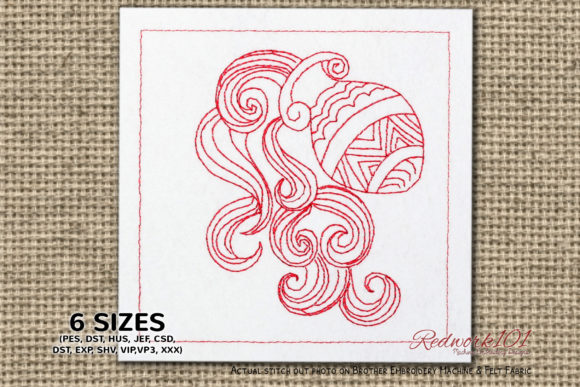
Upon loading the Aquarius Pattern Lineart Redwork Design into my software, the first thing that struck me was its elegant simplicity. There is a distinct charm to redwork styles; they feel timeless, classic, and incredibly handmade. This specific design captures a sweet yet sophisticated mood, making it versatile enough for various demographics. It does not scream for attention with heavy fill stitches but instead invites the viewer to appreciate the clean lines and artistic flow. For a wedding gift designer or someone creating nursery decor, this emotional appeal is crucial. It feels personal without being overly childish or excessively ornate, striking a perfect balance for modern consumers who appreciate minimalist aesthetics.
The design falls under the Mandala category, which often implies complexity, but here it is executed with a lightness that works beautifully for Embroidery projects where drape and fabric texture are important. The line art style ensures that the finished product retains a delicate, almost sketch-like quality that adds to its perceived value as a unique, custom piece.
Versatility in Real-World Applications
One of the strongest assets of the Aquarius Pattern Lineart Redwork Design is its adaptability. In my shop, we constantly receive requests for diverse items, and this file fits seamlessly into many of them. Here is how I envision using it for different customer needs:
- Baby Embroidery: The gentle lines make it ideal for baby blankets and bibs. It adds a touch of whimsy to a nursery item without overwhelming the small space.
- Kitchen Linens: An embroidered towel or apron featuring this design becomes an instant heirloom. The redwork style traditionally pairs well with flour sack towels, offering a rustic, farmhouse appeal.
- Home Decor: Whether stitched onto a pillow cover or a tote bag, the design elevates a basic fabric item into a small shop product that commands a higher price point.
- Wedding Keepsakes: For couples who love astrology or meaningful symbols, this serves as a beautiful wedding gift when paired with initials or a date.
- Craft Fair Displays: The visual clarity of the line art makes it pop in person, drawing customers to your booth who are looking for something different from mass-produced goods.
For digital embroidery file sellers, offering this as part of a bundle could increase buyer engagement, especially if marketed towards those who love zodiac-themed personalized gifts.
Technical Considerations and Fabric Choices
While the design is stunning, practical application requires careful planning. As a professional, I always advise checking specific technical details before committing to a large batch of orders. Since the provided description notes that "The Box Stitch shown in the picture is optional" and that outer box colors may vary, it is vital to review your specific embroidery file settings. You must confirm whether the box is included in your version and decide if it complements your chosen fabric texture.
There are several scenarios where you should use the Aquarius Pattern Lineart Redwork Design with caution:
- Textured Fabrics: On thick towels or looped fabrics, fine line art can sometimes get lost or appear jagged. Always test on a scrap piece of the exact material you intend to sell.
- Stretchy Materials: If applying this to stretchy baby clothes, the stability of the lines is critical. Without proper support, the design may distort after washing.
- Dark Fabrics: Redwork traditionally uses red thread on white, but if you are experimenting with thread colors on dark fabric, ensure high contrast. A mockup is essential here to visualize the final look.
- Curved Surfaces: Stitching on items like rounded pillow covers or tote bag gussets requires precise hooping to prevent the design from shifting.
- Frequent Washing: Items like kitchen towels undergo rigorous washing cycles. Verify that the stitch density is sufficient to hold up, even though line art is generally lighter than fill designs.
Enhancing Perceived Value and Customer Trust
In the world of commercial embroidery, the finish of the product dictates customer trust. The Aquarius Pattern Lineart Redwork Design excels in creating an emotional connection. When a customer receives a blanket or tote with such a thoughtful, clean design, they perceive it as a high-quality handmade product. This perception allows you to price your items more competitively against big-box store alternatives.
Furthermore, the aesthetic of this design translates exceptionally well into printable mockups and product photography. The clear lines photograph beautifully, which is a significant advantage for Etsy sellers relying on visual appeal to drive clicks. A well-stitched sample of this design can serve as a powerful portfolio piece, demonstrating your ability to handle delicate details and reinforcing your reputation as a skilled artisan.
Practical Notes for the Studio
Before running this design for a client, I recommend following a strict checklist to ensure perfection. First, test on scrap fabric that matches the weight and weave of your final product. This step cannot be skipped. Second, check thread color contrast; while red is traditional, consider how navy, black, or gold might look depending on the recipient's taste. Third, confirm hoop size requirements to ensure the design fits your machine's capabilities without needing re-hooping, which can lead to alignment issues.
Additionally, pay close attention to your stabilizer choice. For line art, a cut-away stabilizer is often safer for garments that will be washed frequently, while tear-away might suffice for decorative wall hangings. Always compare light and dark fabric mockups to see how the design reads in different contexts. Finally, and perhaps most importantly, confirm commercial licensing before selling finished products. Ensure you have the right to use the Aquarius Pattern Lineart Redwork Design for profit, as license terms can vary between designers.
If details like exact stitch count or specific file formats are not clearly provided in your download, do not guess. Reach out to the creator or check the documentation thoroughly. Taking these precautions ensures that every finished product leaving your studio meets the highest standards of quality, keeping your customers happy and your business thriving.