Easter Bunny Inside Cracked Egg Redwork Review
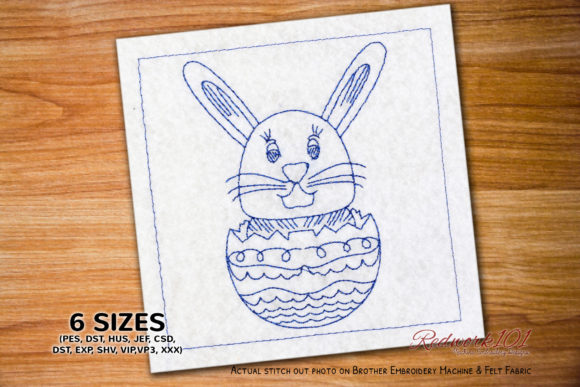
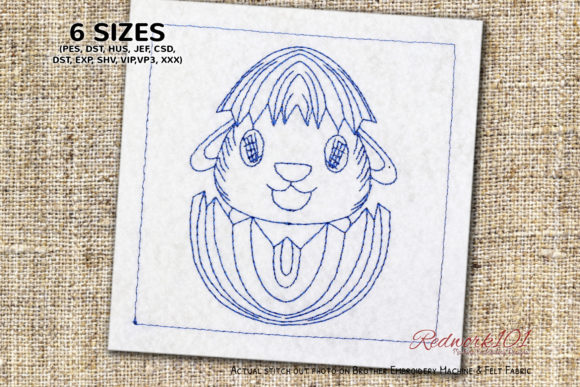
As a designer who spends more time staring at stitch maps than most people care to admit, I approach every new machine embroidery design with a mix of optimism and skepticism. When I first pulled up the Easter Bunny Inside Cracked Egg Redwork file on my screen, my immediate reaction was one of appreciation for its simplicity. In an era where designs often try to do too much with excessive fill stitches and complex shading, this piece leans into the charm of redwork. It relies on clean lines and negative space, which is exactly what you want when aiming for that vintage, hand-drawn aesthetic.
The mood this design creates is undeniably nostalgic. The concept of a bunny peeking out from a cracked egg shell is a classic spring motif, but executing it in a single-color outline style gives it a modern twist suitable for boutique branding. The layout feels balanced; the curvature of the egg provides a natural frame for the character inside, preventing the design from looking like a floating clipart image. For those of us running a craft business or selling on Etsy, visual personality is everything. This design doesn't scream for attention; instead, it invites a closer look, which often translates to higher perceived value in a handmade product.
Real-World Application: The Tote Bag Test
To truly evaluate this embroidery file, I needed to move beyond the digital preview and see how it behaves on actual fabric. I decided to test it on a canvas tote bag design intended for a local farmer's market pop-up shop. Canvas is a forgiving medium, but it has a distinct fabric texture that can sometimes eat up fine details. My goal was to create a personalized gift option for customers who wanted something subtle yet festive for the season.
The stitching process revealed a lot about the density and flow of the design. Because this is a redwork style, it primarily utilizes running stitch rather than heavy fill stitch or wide satin stitch columns. This is a significant advantage for a project like a tote bag. Heavy fills can make a bag stiff and uncomfortable to carry, but this design lays flat and moves with the fabric. The "cracked" nature of the eggshell allows for some creative freedom with thread placement. While the product description notes that the outer box stitch shown in pictures is optional, I found that omitting any artificial borders allowed the egg shape to stand on its own merits.
One critical observation during the stitch-out was the importance of thread colors. Since redwork traditionally uses a single color, the contrast against the background is paramount. On my natural beige canvas, a deep terracotta thread worked beautifully, enhancing the rustic feel. However, if you are planning to use this on a dark garment, you must ensure your digitizer (or you, if you are editing the file) has accounted for sufficient underlay or pull compensation, as light threads on dark fabrics can sometimes look sparse if the stitch count is too low.
Versatility Across Products
Beyond tote bags, I can see this design thriving in several other niches. For baby embroidery, this would be adorable on a muslin swaddle or a onesie bib. The lack of dense stitching means it remains soft against sensitive skin, a crucial factor for parents buying holiday embroidery items for infants. Similarly, for sweatshirt embroidery, the open nature of the design prevents the "cardboard effect" where the fabric becomes rigid around the logo.
If you are an Etsy seller looking to expand your spring collection, consider applying this to kitchen linens. A set of tea towels featuring this bunny would make a charming hostess gift. The design also scales well for embroidered patch creation. If you have the capability to cut and merrow edges, the simple outline of the egg makes for a clean patch shape that doesn't require intricate trimming around tiny details.
However, caution is advised when considering curved surfaces like caps. While the design is relatively small, the horizontal width of the egg might distort slightly on a highly curved front panel depending on your hoop size and machine capabilities. Always test on a scrap piece of the actual cap material first. Additionally, be mindful of stretchy fabric. Without a high-quality cut-away stabilizer, the long runs of running stitch in the eggshell cracks could pucker over time after washing.
Designer Notes and Technical Considerations
Before committing this design to a client order or a large batch of commercial embroidery projects, there are several practical steps you should take. First, always check the specific stitch density provided in the file details. The product description mentions that the color of the outer box varies unless it is part of the design itself. This implies there may be multiple versions or layers. You need to verify if the file you purchased includes the box as a separate element or if it is merged. If it is merged and you don't want it, you may need editing software to remove it, which can be tricky with connected running stitches.
Secondly, review the smallest details. In redwork, tiny corners and sharp turns in the stitching path can sometimes cause thread breaks or bird-nesting if the machine speed is too high. Slow down your machine when stitching the intricate cracks in the eggshell to ensure crisp corners. I also recommend testing the design in black and white mockups before finalizing your printable mockup listings. This helps you visualize how the design reads without the distraction of color, ensuring the silhouette is strong enough to be recognized instantly.
Licensing is another non-negotiable aspect. As a small shop product creator, you must confirm the license terms associated with this digital embroidery file. Can you sell unlimited finished items? Are there restrictions on using it for digital products like sublimation transfers? Never assume; always read the terms included with your download to protect your craft business from legal issues.
Final Verdict on Visual Appeal and Value
The Easter Bunny Inside Cracked Egg Redwork design succeeds because it understands its own limitations and leverages them as strengths. It does not try to be a photorealistic rendering; it aims to be a charming illustration. This clarity builds customer trust. When a buyer sees a clean, well-executed outline, they perceive quality. Sloppy fills or muddy colors often signal mass production, but a crisp redwork design signals thoughtful craftsmanship.
In terms of brand consistency, this design fits well into shops that focus on farmhouse chic, vintage revival, or minimalist nursery decor. It adds a touch of seasonal whimsy without overpowering the base product. Whether you are creating a custom apparel line for a boutique or making one-off gifts for family, this design offers a reliable foundation. Just remember to respect the fabric you are working on, choose your stabilizer wisely, and let the simplicity of the stitch work shine. With the right execution, this little bunny can crack open some serious sales for your spring collection.