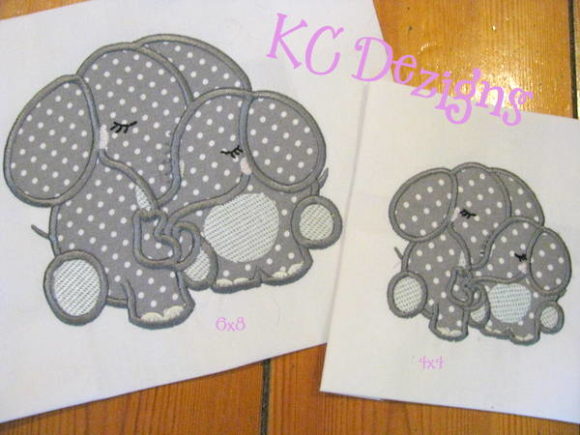
Elephant Love Machine Applique: A Pro Review
As an embroidery designer who spends countless hours digitizing and stitching for small business clients, I approach every new machine embroidery design with a critical eye. It is not just about whether a file looks cute on a screen; it is about how that digital embroidery file performs when translated into thread on real fabric. Today, I am reviewing the Elephant Love Machine Applique, a design categorized under Wild Animals, to see if it holds up as a viable asset for branded merchandise, staff uniforms, and boutique product lines.
My first impression of the Elephant Love Machine Applique is that it strikes a perfect balance between playful charm and professional execution. The title suggests a whimsical vibe, and the description promises "a load of cuteness," which is exactly what many handmade brands and creative studios need to soften their corporate image. However, for a design to work in a commercial setting, it must go beyond being adorable. It needs to possess a visual weight that reads well from a distance and a structural integrity that survives the washing machine. This design feels friendly and approachable, making it an excellent candidate for businesses that want to project warmth, such as bakeries, florists, pet brands, and family-oriented boutiques.
Real-World Application for Small Business Merch
When evaluating the Elephant Love Machine Applique for small business merch, the versatility of the appliqué style immediately stands out. Appliqué designs are fantastic for adding texture and dimension to a finished product without relying solely on satin stitch fills, which can sometimes look flat or become distorted on certain fabrics. For a local café or a creative studio, this design could serve as a charming chest logo accent on staff work shirts. Unlike a large back print, a small elephant motif on the left chest creates a subtle yet memorable brand marker.
I can easily envision this design thriving as an embroidered patch. Patches are currently a massive trend in custom apparel, allowing businesses to create removable branding for jackets, bags, and hats. If you run an Etsy shop selling tote bags, attaching a high-quality patch featuring this elephant adds significant perceived value to the item. It transforms a simple canvas bag into a curated handmade product. Furthermore, for event merch or customer gifts, this design works beautifully on aprons. An apron embroidery featuring a loving elephant is perfect for a bakery or a craft workshop, signaling care and attention to detail to the end consumer.
The potential for cap embroidery is also strong, provided the digitizing accounts for the curved surface. Caps are tricky, but an appliqué design often handles the curve better than dense fill stitches because the fabric layers can be managed more effectively during the hooping process. Whether used as a sleeve detail on a uniform or a central mark on a tote bag design, the Elephant Love Machine Applique offers a distinct visual identity that separates a brand from competitors using generic stock imagery.
Technical Considerations and Production Challenges
While the aesthetic appeal is high, a professional review must address the technical hurdles of production. When working with any embroidery file, especially one intended for commercial use, you must consider stitch density. Appliqué designs involve multiple steps: running stitch outlines, cutting the fabric, and then tacking and finishing the edges. If the Elephant Love Machine Applique has too high of a stitch density in the finishing borders, it may cause puckering on lightweight fabrics like poly-cotton blends often used for uniforms.
You should exercise caution when applying this design to textured fabrics or dark uniforms. Light-colored appliqué fabric placed on a dark shirt requires precise coverage to prevent the background from showing through, which can ruin the professional look. Additionally, if you plan to scale this design down for small patches or tiny lettering accompaniments, you must verify that the details do not collapse. Tiny elements in an elephant design, such as the eye or trunk details, can disappear if the stitch count is too low or if the thread thickness is not adjusted.
Another critical factor is the hoop size. Since the product description mentions multiple formats, it is likely available in various sizes, but you must confirm the maximum dimensions before promising a client a large back-of-jacket design. Always test the design on the actual fabric you intend to use. A design that looks crisp on a stable twill might behave differently on a stretchy jersey knit. Using the correct stabilizer is non-negotiable here; a cut-away stabilizer is often recommended for appliqué to ensure the edges remain secure over time, especially for items like aprons and tote bags that undergo frequent washing and wear.
Elevating Brand Identity and Customer Trust
In the world of commercial embroidery, consistency is key to building brand identity. The Elephant Love Machine Applique can play a pivotal role in visual storytelling. For a pet brand or a children's boutique, this design reinforces themes of care, gentleness, and love. When customers see a consistent, high-quality embroidered logo on your packaging accents, staff uniforms, and social media printable mockup images, it builds trust. It signals that you invest in quality design assets rather than cutting corners with cheap heat transfers or low-resolution prints.
This level of professionalism directly impacts buyer engagement. A well-executed embroidered patch on a product package feels premium and tactile, encouraging customers to share photos on social media. It turns a standard transaction into an experience. However, to maintain this standard, you must review thread colors carefully. Ensure the colors you select match your brand guidelines exactly. While the design allows for creativity, deviating too far from your core palette can confuse brand recognition.
Professional Designer Notes for Implementation
Before integrating the Elephant Love Machine Applique into your production line, I recommend following these practical steps:
- Test in Black and White First: Stitch a sample using only black and white thread to check the contrast and definition of the shapes without the distraction of color.
- Verify Scalability: Check if the design retains its clarity at the smallest size you intend to use, particularly for patch applications.
- Inspect Spacing: Look closely at the spacing between the appliqué edge and the internal details to ensure no thread breaks or bridging issues occur.
- Confirm Hoop Requirements: Double-check the specific hoop size needed for the format you purchase to avoid last-minute machine adjustments.
- Fabric Testing: Always run a test stitch-out on the exact fabric weight and type you will use for the final run.
- Stabilizer Selection: Choose a stabilizer that complements the fabric stretch and the weight of the appliqué material.
- Client Mockups: Create a realistic mockup for client approval before stitching the final batch to manage expectations.
- Asset Comparison: Place this design beside your other brand assets to ensure visual consistency across your product line.
- Licensing Verification: Most importantly, confirm the commercial licensing terms. The description notes multiple file formats, but you must ensure you have the right to use the design for resale or branded merchandise.
The product description states that the design comes with multiple embroidery file formats, which is essential for compatibility with different machines. However, it does not specify exact stitch counts or detailed license terms. Therefore, it is vital to contact the vendor or read the full documentation before committing to a large production run. By taking these precautions, the Elephant Love Machine Applique can become a staple in your catalog, delivering both aesthetic joy and business value.