Kiss Embroidery Design Review: A Craft Fair Best-Seller?
As I prepare my booth for the upcoming weekend market, I am constantly evaluating which machine embroidery design will stop customers in their tracks. Among the pile of digital files on my screen, the Kiss design stands out immediately. For craft fair sellers and handmade shop owners, the difference between a browsing customer and a buyer often comes down to visual impact and emotional connection. This review breaks down how Kiss performs as a commercial product, specifically for those targeting the Valentine S Day rush or year-round romance-themed sales.
First Impressions and Market Appeal
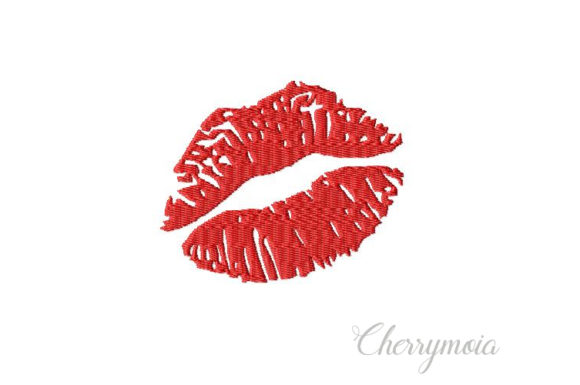
The first thing I notice about Kiss is its versatility. Based on the description, this cute embroidery adds love to any project, but in a retail setting, it feels distinctly modern yet approachable. It strikes a balance between bold and soft, making it suitable for a wide demographic. Unlike overly intricate vintage patterns that might alienate younger buyers, or ultra-minimalist lines that get lost on a busy table, Kiss has a friendly presence. It reads well from a distance, which is crucial for booth display strength. When a customer walks past my table, they need to understand the product within seconds. This design achieves that clarity, signaling "gift" or "treat yourself" instantly.
Ideal Products for Maximum Sales
In my experience, not every fabric is created equal when showcasing a new embroidery file. For Kiss, I see the highest potential in specific craft fair product categories. Tote bags are an obvious winner; a tote bag design featuring this motif on natural canvas creates a high-contrast look that photographs beautifully for online listings. The simplicity of the bag allows the embroidery to be the hero.
Aprons and tea towels are another strong category. Apron embroidery and tea towel embroidery sell exceptionally well as hostess gifts. Placing Kiss on the corner of a flour sack towel or the bib of a linen apron elevates a basic item into a premium handmade product. I also envision this working wonderfully as an embroided patch. Patches are low-risk impulse buys for customers who aren't ready to spend $30 on a bag but will happily pay $12 for a patch to iron onto a denim jacket later.
For those looking to expand into apparel, caps and sneakers offer unique challenges and rewards. While the description suggests adding it to hats, one must consider the curved surface. However, if executed correctly, a small Kiss logo on a dad hat becomes a subtle brand statement rather than just a holiday item.
Production Practicality and Batch Manufacturing
When running a small shop, time is money. A design might look gorgeous, but if it takes three hours to stitch one unit, it kills your profit margin. Kiss appears to be designed for efficiency. It feels repeatable for batch production, allowing me to hoop multiple items at once or run a continuous cycle while I manage the front of the booth. The lack of excessive tiny details suggests it won't require constant thread trims or color changes, which is vital for maintaining a steady workflow during peak seasons.
Photography is another critical factor for the Etsy seller or digital marketer. This design seems to translate well into a printable mockup. Because the shapes are likely distinct, they render clearly in digital design assets, helping to drive online traffic before the fair even opens. A clear, crisp image of the finished product on social media can generate pre-orders, ensuring you don't end up with unsold inventory.
Technical Considerations and Careful Use
Despite its apparent ease, there are technical hurdles to clear before mass production. As a professional, I always advise testing the design on scrap fabric first. You must check thread colors against your intended fabric palette. On dark fabric, a light-colored Kiss design will pop, but you must ensure the underlay is sufficient to prevent the background from showing through.
Pay close attention to stitch density. If the design is too dense, it can cause puckering, especially on textured towels or stretchy t-shirt material. Conversely, if it is too light, it may look cheap. Reviewing the spacing is essential; small lettering or tight curves can lose clarity if the hoop size is too large relative to the design, causing registration issues. Always use the right stabilizer for the specific fabric texture you are using. A cut-away stabilizer might be necessary for stretchy knits, while a tear-away could suffice for woven tote bags.
Furthermore, verify the commercial embroidery licensing terms. Just because a file comes with multiple formats does not automatically grant the right to sell finished goods. Ensure you have the legal clearance to use this as a small shop product.
Enhancing Brand Value and Customer Engagement
Ultimately, the goal is to create brand consistency. Using Kiss across various items—pillow covers, market bags, and pouches—creates a cohesive collection that looks professional. Customers trust booths that look curated rather than cluttered. This design affects visual appeal by adding a touch of warmth and personality. It invites interaction; customers are more likely to touch a soft, embroidered surface than a printed one.
For the creative entrepreneur, Kiss represents more than just a pattern; it is a tool for engagement. It sparks conversations about customization ("Can you put my initials next to the kiss?") and gift-giving. By offering this design on diverse products, you cater to different price points, maximizing your booth's revenue potential.
In conclusion, Kiss is a strong contender for your next production run. Its blend of cuteness and practicality makes it a safe bet for Valentine S Day and beyond. However, success lies in the execution. Test your samples, respect the limitations of your materials, and present the final items with confidence. With the right preparation, this digital embroidery file can become a staple in your best-selling inventory.