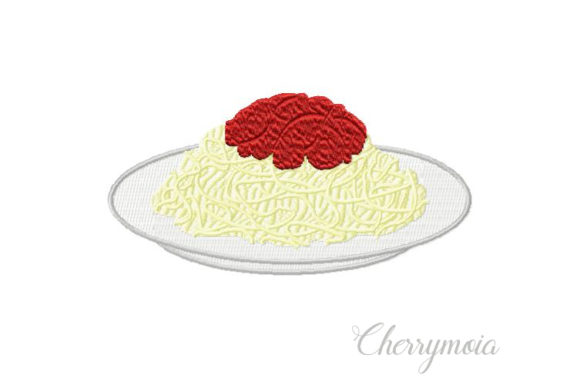
Spaghetti Embroidery Design Review for Boutique Apparel
As an embroidery designer constantly scouting for unique assets to elevate boutique collections, I recently evaluated the Spaghetti digital embroidery file available on Creative Fabrica. When building a cohesive line of custom apparel, especially for the current trend of food-inspired streetwear, finding a design that balances whimsy with professional stitch quality is essential. This review breaks down how this specific machine embroidery design performs across various garments, from heavy fleece hoodies to lightweight tote bags, helping you decide if it fits your next product drop.
Visual Personality and Stitch Mood
The first impression of the Spaghetti design is one of playful minimalism. Unlike overly complex food illustrations that can become muddy when stitched, this design appears to embrace a cleaner aesthetic suitable for modern branding. The visual mood leans heavily into "cute" and "casual," making it an excellent candidate for lifestyle brands targeting a younger demographic or those looking to add a touch of humor to their catalog.
In terms of decorative strength, the design feels versatile. It possesses a rustic yet trendy charm that works well without overpowering the garment. For a boutique brand, this is crucial; the embroidery should enhance the fabric texture rather than dominate it. Whether you envision this on a neutral cream sweatshirt or a bold pastel hoodie, the design's simplicity suggests it will maintain its integrity across different colorways. It avoids the trap of looking like a cheap iron-on, aiming instead for a premium, handmade product feel that justifies a higher price point on platforms like Etsy.
Ideal Applications for Sweatshirts and Hoodies
Sweatshirt embroidery requires careful consideration of stitch density and fabric stretch. The Spaghetti design seems particularly well-suited for chest placements on oversized hoodies. In this position, it acts as a subtle brand marker or a fun statement piece. Because the design category is Food, it taps into the popular "comfort food" narrative that resonates deeply with cozy seasonal outfits.
For sleeve accents, this embroidery file could serve as a delightful detail on denim jackets or fleece-lined zip-ups. However, when planning your production run, consider the fabric texture. On thick fleece, the stitches need to penetrate deeply without causing puckering. If the design features fine lines representing pasta strands, ensure your thread colors contrast sufficiently against dark apparel. A bright yellow or warm orange thread on a charcoal grey hoodie would create a striking visual consistency that boosts customer engagement on social media graphics.
Back designs are another avenue to explore. While the product description notes the design comes in one size, placing a single, centered motif on the upper back of a heavyweight sweatshirt can create a high-end streetwear look. This approach transforms a basic garment into a standout piece for your small shop product line.
Versatility Across T-Shirts and Accessories
Beyond heavy knits, this machine embroidery design holds promise for t-shirt embroidery and tote bag design. On cotton tees, the key is managing the stabilizer to prevent the fabric from gathering around the stitch points. The playful nature of spaghetti imagery pairs perfectly with casual summer collections or picnic-themed merchandise.
For tote bags, which often feature a canvas or duck cloth texture, the Spaghetti motif can add a charming, artisanal touch. These items make excellent add-on sales for existing customers. When creating printable mockups for your online listings, visualize this design on natural-colored canvas to highlight the thread work. The result is a finished product that feels thoughtful and curated, enhancing buyer trust in your brand identity.
Critical Considerations for Production
While the creative potential is high, there are technical constraints to address before committing to a large batch. The product description explicitly states: "Design comes in 1 size -RE-SIZING- Please note, that the quality can not be guar." This is a vital warning for any commercial embroidery project. Resizing embroidery files often distorts stitch paths, leading to gaps in coverage or thread breaks.
Therefore, you must confirm the provided dimensions fit your intended placement area. If you plan to use this for tiny lettering or very small chest logos, verify the original size first. If the design is too large for a pocket placement, do not attempt to shrink it digitally unless you have advanced editing software and the skills to re-punch the file. Stick to the original scale to ensure the stitch density remains optimal.
Additionally, always test on scrap fabric that matches your final garment. If you are working with ribbed fabric or curved surfaces like sleeve cuffs, the tension requirements change. Dense stitch areas can cause stiffness, so inspect the design closely for fill patterns versus running stitches. A design heavy on satin columns may require a cut-away stabilizer for durability, whereas a running stitch design might suffice with a tear-away.
Enhancing Brand Value and Marketability
Incorporating a distinct motif like Spaghetti can significantly affect your apparel value. Unique, themed embroidery helps in building product recognition. When customers see a consistent use of fun, food-related motifs across your collection, it strengthens your brand identity. It signals that you are not just selling blank garments, but offering a creative experience.
For Etsy sellers and digital sellers expanding into physical goods, this type of design supports professional presentation. High-quality photos of the stitched design on textured fabrics can drive clicks and conversions. The "handmade" aspect of machine embroidery adds a layer of perceived value that mass-printed graphics often lack. By carefully selecting thread colors that complement current fashion trends, you can create a cohesive visual story that encourages repeat purchases.
Final Designer Notes and Recommendations
Before launching your collection featuring the Spaghetti embroidery file, adhere to these practical steps:
- Check Licensing: Always review the Creative Fabrica product details and licensing terms. Ensure you have the right to sell finished apparel commercially.
- Verify Specifications: Since stitch count, file formats, and hoop size are not detailed in the brief description, confirm these details in the full product listing to ensure compatibility with your machine.
- Stabilizer Selection: Match your stabilizer to the fabric weight. Use cut-away for stretchy knits and tear-away for stable wovens like tote bags.
- Thread Contrast: Test different thread colors against your garment palette to maximize visibility and aesthetic appeal.
- Placement Testing: Hoop your actual garment or use a magnetic frame to test placement on curved areas before stitching the final run.
In conclusion, the Spaghetti design offers a charming, trendy option for decorators looking to infuse personality into their custom apparel. With careful attention to sizing limitations and fabric preparation, it can become a staple in a successful boutique brand's inventory, delivering both visual delight and commercial viability.