A Little Girl Sleeping on Moon Applique Review
As an embroidery designer who has spent countless weekends setting up booth displays at local craft fairs and handmade markets, I know that the difference between a design that sits idle and one that flies off the table often comes down to immediate visual impact. When I first pulled up the A Little Girl Sleeping on Moon Applique pattern to evaluate it for my upcoming seasonal collection, I was looking for something that bridged the gap between whimsical storytelling and practical production. This design immediately struck me as soft, decorative, and deeply emotive. It carries a gentle, dreamy quality that feels perfect for nursery decor and children's apparel, tapping into that timeless "moon and stars" aesthetic that parents consistently gravitate toward.
First Impressions and Market Appeal
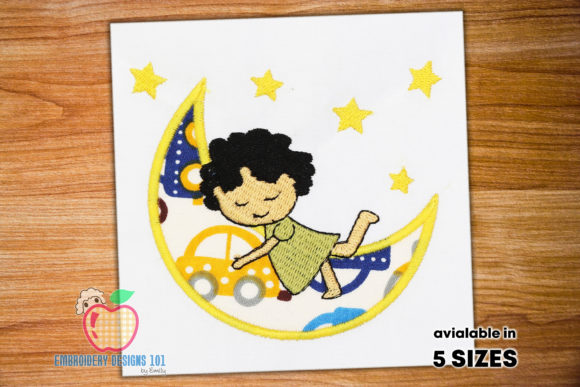
The initial impression of A Little Girl Sleeping on Moon Applique is one of serene cuteness. Unlike bold, graphic logos or dense, heavy fills that can sometimes overwhelm a small product, this design relies on the charm of applique to create texture and dimension. For a craft fair seller, this is crucial. Customers walking down an aisle are drawn to items they want to touch. The layered fabric effect inherent in applique designs invites tactile engagement, which is the first step toward a sale. While the product category is listed under Boys, the universal theme of a sleeping child on a crescent moon makes this a versatile handmade product suitable for any gender, especially when paired with neutral thread colors or soft pastels.
In the context of a busy market environment, clarity is king. This design performs exceptionally well because the silhouette is distinct even from a distance. The contrast between the sleeping figure and the curved moon creates a recognizable shape that reads clearly on a tote bag hanging on a rack or a pillow cover stacked on a table. It does not get lost in visual noise, making it an excellent candidate for a focal point on larger items or a sweet accent on smaller goods.
Strategic Product Placement for Maximum Sales
When planning my booth inventory, I always ask where a specific machine embroidery design will shine brightest. For A Little Girl Sleeping on Moon Applique, I see high potential across several key categories:
- Tote Bags and Market Bags: This is likely the strongest contender. A large canvas tote with this design centered on the front becomes an instant statement piece. The applique adds durability to the design, ensuring it withstands the wear and tear of daily use, which is a major selling point for parents.
- Pillow Covers and Nursery Decor: The dreamy theme fits perfectly in a nursery setting. Embroidered pillow covers are high-margin items, and the texture of the applique elevates the perceived value, allowing you to price them as premium boutique goods rather than simple crafts.
- Aprons and Tea Towels: While often associated with kitchenware, these items make wonderful gifts for new grandparents or aunts. However, care must be taken with tea towel embroidery; the fabric texture of waffle weave or linen can sometimes interfere with small details, so testing is essential.
- Embroidered Patches: Creating iron-on or sew-on patches is a fantastic way to offer a lower-price-point item. This design scales well, provided the smallest version maintains enough detail to remain clear after stitching.
For Etsy sellers and those focusing on digital products, this design also offers great potential for printable mockups. The visual story it tells translates beautifully into lifestyle images showing a cozy nursery scene, which can drive online clicks and conversions.
Production Realities and Practical Considerations
Turning a beautiful digital file into a stack of finished products requires a keen eye for production logistics. One of the standout features mentioned in the product description is the inclusion of a PDF Worksheet showing step-by-step color changes. For a designer doing batch production for a weekend fair, this is invaluable. It reduces setup time and minimizes errors when running multiple units. Knowing exactly when to stop for a color change or fabric placement ensures consistency across your inventory, which is vital for maintaining brand consistency.
However, working with applique does introduce specific challenges regarding stitch density and fabric choice. Applique requires precise placement of the fabric scrap before the tack-down stitch. On curved surfaces like caps, this can be tricky. If you plan to offer this as a cap embroidery option, I strongly recommend creating a physical prototype first to ensure the fabric lies flat and does not bunch up under the dense satin borders typically used in applique designs.
Furthermore, attention must be paid to thread colors and contrast. On dark fabrics, the lighter tones of the moon and the girl's clothing need to pop. If the design relies on subtle shading, it might get lost on a black hoodie or navy backpack. Conversely, on light fabrics, ensure the outline stitches are dark enough to define the shape. The description notes that detailed stitch counts and sizes are shown in the product image; it is imperative to review these before committing to a specific hoop size. Trying to force a large design into a small hoop can lead to re-hooping issues that ruin alignment.
Critical Pre-Production Checklist
Before listing this as a craft fair product or adding it to your commercial embroidery lineup, adhere to these professional guidelines:
- Test on Scrap Fabric: Always run a test stitch-out on the exact material you intend to sell. Fabric texture affects how the applique fabric sits and how the stitches penetrate.
- Check Stabilizer Compatibility: Applique adds weight. Ensure you are using a cut-away or heavy-duty tear-away stabilizer to prevent sagging over time, especially on stretchy fabrics like t-shirts.
- Verify Licensing: Confirm the commercial licensing terms included with the digital embroidery file. Ensure you are authorized to sell finished physical goods made with this pattern.
- Evaluate Small Sizes: If offering this on small pouches or patches, check if the tiny details of the girl's face or the moon's curve hold up. Designs often lose clarity when scaled down too far.
- Create Real Mockups: Don't rely solely on digital previews. Photograph the actual stitched item in natural light to see how the threads reflect and how the applique layers interact.
Final Verdict for the Handmade Entrepreneur
In the competitive landscape of handmade markets, A Little Girl Sleeping on Moon Applique stands out as a strong performer due to its emotional resonance and textural appeal. It transforms simple blanks like tote bags and pillowcases into heirloom-quality keepsakes. The step-by-step guidance provided with the pattern supports efficient production, making it feasible to create a robust inventory for a busy sales weekend. By carefully selecting the right fabrics, managing stitch density, and presenting the item in a way that highlights its soft, dreamy aesthetic, this design can significantly boost buyer engagement and average order value. Whether you are a seasoned small shop product creator or just starting your journey as an Etsy seller, this design offers a reliable path to creating beautiful, sellable goods that customers will love.