Easter Cake Redwork: A Designer's Real-World Review
As a designer who spends more time at the hoop than away from it, I approach every new machine embroidery design with a critical eye. It is not enough for a file to look cute on a screen; it must translate beautifully into thread, withstand the tension of the fabric, and deliver value to the end user. Today, I am evaluating the Easter Cake Redwork design. This isn't just a quick glance at a thumbnail; this is a breakdown of how this specific asset performs in real-world embroidery project scenarios, from boutique apparel to holiday gifts.
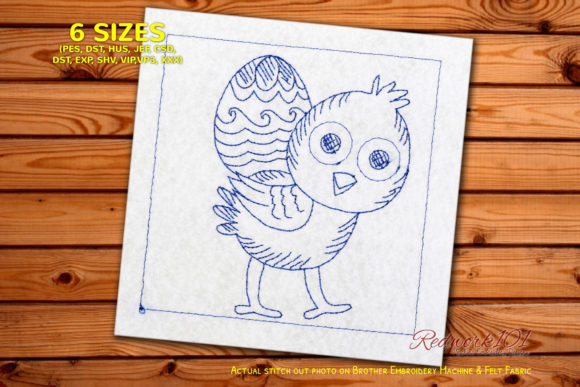
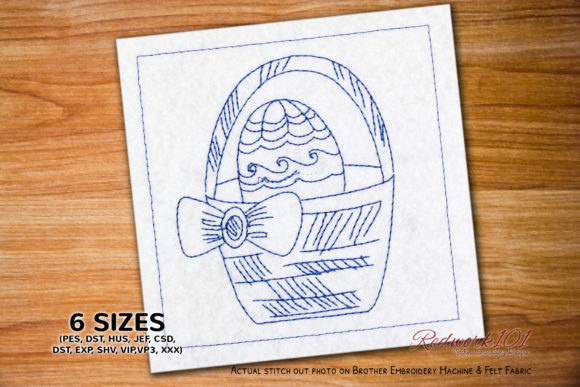
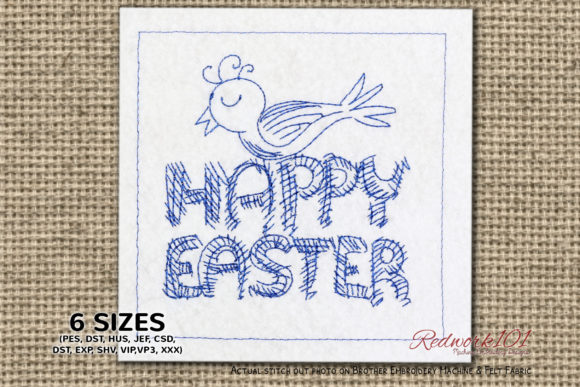
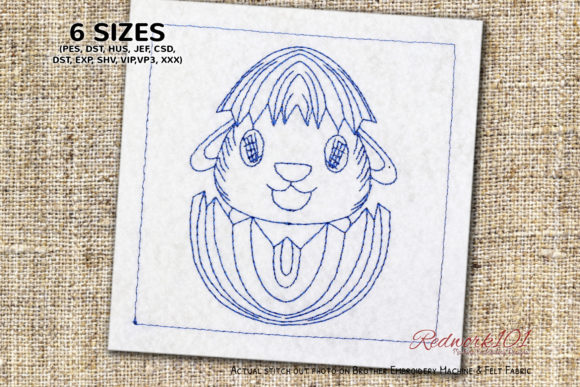
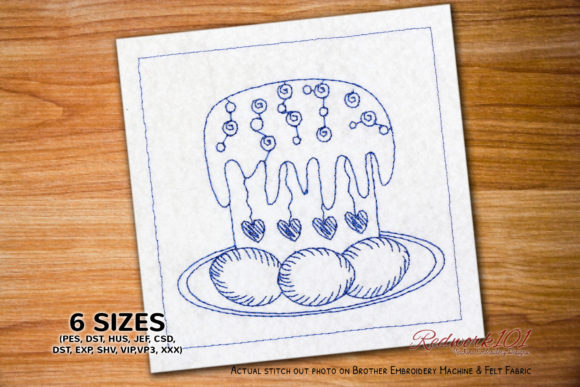
My first impression of the Easter Cake Redwork file is one of charming simplicity. The redwork style, traditionally characterized by single-color stitching often in red, offers a nostalgic, hand-drawn aesthetic that feels incredibly current in today's market where "slow made" items are highly prized. The layout depicts a classic tiered cake, likely adorned with simple decorative elements suitable for the season. Because the design relies on line work rather than dense fills, it creates a light, airy mood that doesn't overwhelm the fabric. This visual personality makes it an ideal candidate for projects where you want the material to breathe, such as linen tea towels or lightweight cotton tote bags.
Putting the Design to Work: A Real-World Scenario
To truly test the viability of this design, I imagined a specific client request: a custom order for a local bakery needing branded custom apparel and packaging accents for their spring launch. They wanted something that felt handmade but professional. I selected the Easter Cake Redwork for a series of canvas tote bags and a set of flour-sack kitchen towels intended as premium add-ons for their customers.
The execution was straightforward. Since redwork typically utilizes running stitches or light satin outlines, the stitch density is generally low. This is a massive advantage when working on textured fabrics like canvas or waffle weave, where heavy fill stitches can cause puckering or distort the texture of the material. In this scenario, the design sat flat against the tote bag, maintaining its shape without pulling the fabric inward. The result was a finished product that looked intentional and high-end, rather than stiff and over-processed. For an Etsy seller or small shop owner, this kind of versatility is gold. It allows you to offer personalized items on a variety of substrates without needing to tweak the file extensively for each material type.
Versatility Across Product Lines
The strength of the Easter Cake Redwork lies in its adaptability. While my test case involved kitchen linens, this digital embroidery file shines across a broad spectrum of applications. Here is where I see it fitting best in a commercial or hobbyist workflow:
- Baby Embroidery: The soft lines are perfect for onesies or bibs where heavy stitching might irritate sensitive skin.
- Holiday Embroidery: As a seasonal motif, it works beautifully on napkin sets or table runners for Easter brunches.
- Embroidered Patch: With the right backing and merrow edge, this design could be digitized further or stitched directly onto twill for a vintage-style patch.
- Sweatshirt Embroidery: Placed on the chest or sleeve of a fleece hoodie, the open nature of redwork prevents the "cardboard" effect that dense designs often create on thick fabrics.
- Printable Mockup: For those selling design assets or promoting a craft business, the clean lines photograph exceptionally well for social media and printable mockups.
However, practical design judgment requires us to look at the limitations as well. While the open structure is a benefit for texture, it can be a challenge on stretchy fabrics like jersey knits if not stabilized correctly. Without a proper cut-away stabilizer, the long runs of stitching inherent in redwork designs can shift over time or after washing. Additionally, if you are planning to use this on a curved surface like a cap, you must ensure the hoop size accommodates the height of the cake tiers without hitting the brim or the top button of the hat.
Critical Considerations for Professional Results
One specific detail mentioned in the product notes is that "The Box Stitch shown in the picture is optional." This is a crucial observation for any professional. In many preview images, designers add bounding boxes or frames to show placement, but these are rarely part of the actual stitch file unless specified. Furthermore, the note states, "The color of the outer box is a different color in most of the designs unless it is part of the design itself, you can skip the color direct." This implies that the file may have color stops that need management. Before loading this into your machine for a client order, you must open the file in your editing software. Verify if the box is a separate color stop that you can delete or if it is integrated into the design. Skipping a color unintentionally could alter the structural integrity or visual balance of the cake.
Thread choice is another area where your expertise matters. While "redwork" implies red thread, modern interpretations allow for flexibility. For a sophisticated handmade product, consider using a variegated thread to add depth to the cake layers, or match the thread to the customer's brand colors for a cohesive boutique branding effort. However, always check the contrast. If stitching on a dark fabric, ensure your thread has enough brightness to make the details pop. Conversely, on white fabric, a slightly darker tone can provide that sought-after sketch-like quality.
Final Verdict on Value and Usability
In terms of commercial viability, the Easter Cake Redwork design offers strong potential for increasing buyer engagement. Customers are increasingly drawn to items that feel personal and artisanal. A design that avoids heavy saturation and instead highlights the beauty of the stitch and fabric tends to convey higher perceived value. It suggests that the maker cares about the drape and feel of the item, not just covering it with thread.
Before finalizing any commercial embroidery run, I always recommend a few final checks. First, stitch out a sample on scrap fabric identical to your final material. This confirms your tension settings and ensures the stitch density works with your specific machine speed. Second, review the licensing terms provided with the download. While many files allow for unlimited physical sales, some restrict the resale of the digital file itself or require attribution. Confirming these details protects your craft business and ensures you are building your brand on a solid legal foundation.
Ultimately, the Easter Cake Redwork is a versatile, reliable asset for the thoughtful creator. It bridges the gap between traditional technique and modern application, offering a clean aesthetic that enhances rather than dominates the substrate. Whether you are creating a personalized gift for a family member or producing inventory for a spring market, this design holds up under scrutiny. It reminds us that sometimes, the most impactful embroidery project is the one that knows exactly when to stop stitching.