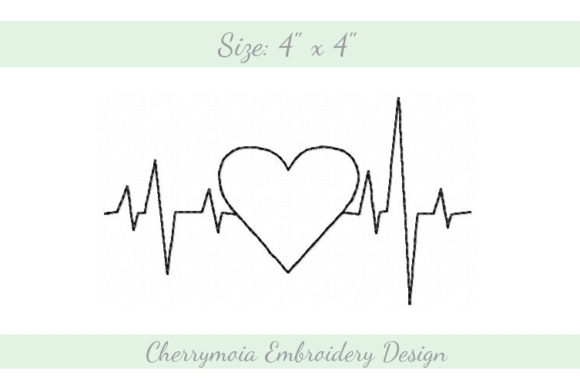
Heartline Heart: A Designer's Take on Modern Valentine Embroidery
As someone who spends hours hunched over an embroidery hoop, tweaking tension and selecting threads, I approach every new machine embroidery design with a mix of curiosity and caution. We've all been there: you download a file that looks stunning on the screen, only to find it turns into a puckered mess or a thread-breaking nightmare once it hits the fabric. That is why I took a close look at Heartline Heart before committing it to any client projects or personal handmade products. This isn't just about whether it looks cute; it is about whether it holds up under the needle and adds genuine value to a finished product.
First Impressions: Mood and Visual Personality
The first thing that strikes me about Heartline Heart is its clean, contemporary vibe. Unlike some overly ornate vintage hearts that rely on heavy shading and complex gradients, this design feels airy and modern. The layout suggests a balance between solid fill areas and delicate outlining, likely utilizing a combination of satin stitch for the borders and a smooth fill stitch for the body. This combination is crucial because it dictates how the light plays off the threads once stitched.
The "cool" factor mentioned in the description translates well to a visual personality that fits perfectly into current trends. It avoids looking dated, which is essential if you are building a brand around timeless appeal rather than fleeting fads. For a Valentine S Day collection, it offers enough thematic relevance without screaming "holiday clearance" the moment February 15th rolls around. It has the versatility to work as a standalone statement or a subtle accent, making it a strong candidate for year-round custom apparel and home decor.
Real-World Application: The Tote Bag Test
To truly evaluate an embroidery project, I like to visualize it in a specific scenario. Let's say I am preparing a run of canvas tote bags for a local boutique. These bags need to withstand grocery runs, book carrying, and frequent washing. Here is where Heartline Heart shines. The design's structure appears robust enough to handle the texture of canvas without getting lost.
If I were stitching this onto a natural cotton tote, I would lean into high-contrast thread colors. A deep crimson or burgundy against unbleached canvas creates a striking look that appeals to customers looking for artisanal quality. Because the design seems to have clear definition, it would also work beautifully as an embroidered patch applied to denim jackets or backpacks. The clarity of the lines ensures that even from a distance, the shape is instantly recognizable, which is vital for brand recognition if you are an Etsy seller trying to make your shop merchandise stand out in a crowded feed.
Beyond apparel, imagine this design on a nursery pillow cover or a baby onesie. For baby embroidery, softness is key. If the stitch density is moderate, as it appears, it won't create a stiff, scratchy patch on sensitive skin. However, this is where testing becomes non-negotiable. You must verify the density settings in your software to ensure the backing doesn't become too rigid for infant wear.
Technical Considerations and Fabric Challenges
While Heartline Heart shows promise, no design is universal. There are specific scenarios where you need to proceed with caution. If you are planning to use this on stretchy fabrics like jersey knits for sweatshirt embroidery or t-shirts, the stability of the design is paramount. Hearts with sharp points or intricate curves can distort if the fabric shifts during stitching. In these cases, using a high-quality cut-away stabilizer is not optional; it is a requirement to maintain the integrity of the shape.
Similarly, consider the hoop size relative to your machine. While the description notes multiple formats, always double-check that the specific size you download fits your smallest hoop if you intend to place it on cuffs, caps, or pocket corners. Curved surfaces like baseball caps present another challenge. The curvature can compress the design vertically, potentially altering the proportions of the heart. I recommend running a test stitch on a scrap piece of the actual cap material to see how the fabric texture interacts with the needle penetration.
Dark fabrics require special attention regarding underlay stitches. If the design relies on light thread colors, ensure the digitizer has included sufficient underlay to prevent the dark fabric from peeking through the fill stitches. A quick test on black fabric will tell you immediately if the coverage is adequate or if you need to adjust your thread tension.
Enhancing Product Value and Customer Trust
For small business owners and creative entrepreneurs, the choice of design directly impacts perceived value. A crisp, well-executed Heartline Heart signals professionalism. It tells the customer that care was taken in the creation of their personalized gift. Conversely, a design that pulls or gaps can undermine trust.
This design has the potential to elevate simple items into premium goods. Imagine a set of kitchen tea towels featuring this heart; suddenly, a basic household item becomes a thoughtful housewarming or wedding gift. The aesthetic appeal drives buyer engagement, especially when paired with high-quality printable mockups for your online listings. When customers see a clean, attractive design in your photos, they are more likely to click, engage, and purchase.
Practical Notes for the Working Designer
Before you commit to a full production run or list this as a digital embroidery file in your shop, here is my checklist for ensuring success with Heartline Heart:
- Test on Scraps First: Never skip the stitch-out on the exact fabric you plan to use. This reveals issues with tension and density immediately.
- Check Thread Contrast: Experiment with monochromatic tones for a subtle look versus high-contrast colors for pop. See what suits your specific craft business aesthetic.
- Review Stitch Density: If the design feels too heavy, use your editing software to reduce density slightly, especially for lightweight fabrics.
- Verify Licensing: The description mentions it comes in multiple formats, but always confirm the license terms. Can you sell finished items? Can you sell the file itself? Clarity here protects your small shop product line from legal issues.
- Mockup Testing: Create digital mockups in both black and white to ensure the design reads well without color reliance. This is great for checking the structural integrity of the lines.
- Stabilizer Selection: Match your stabilizer to the fabric weight. Heavy stabilizer on light fabric causes stiffness; light stabilizer on heavy fabric causes shifting.
In conclusion, Heartline Heart offers a versatile foundation for a variety of commercial embroidery and hobbyist projects. Its modern style bridges the gap between seasonal holiday embroidery and everyday decor. By paying attention to fabric choices, stabilizer needs, and licensing details, you can leverage this design asset to create beautiful, durable, and profitable items. Whether you are decorating a single tote bag design for a friend or stocking inventory for your online store, this heart has the potential to add that extra touch of life and creativity to your work.