Learjet 23 Redwork: A Designer's Take on Aviation Stitching
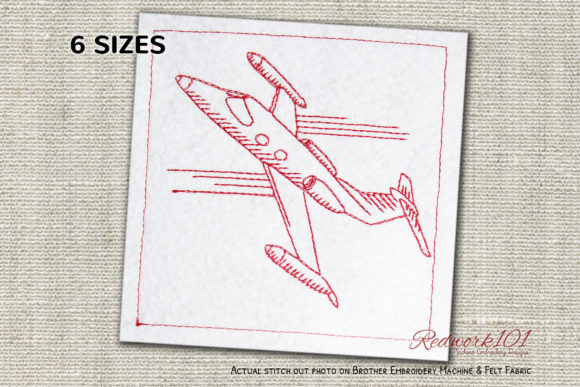
As someone who spends more time staring at stitch maps than most people spend looking at actual skies, I approach every new machine embroidery design with a mix of curiosity and skepticism. When I first loaded the Learjet 23 Redwork file into my digitizing software, I wasn't just looking for a pretty picture; I was looking for usability. In the world of Transportation themed Embroidery, there is a fine line between a design that looks like a technical blueprint and one that feels like a charming, handcrafted nod to aviation history. This specific redwork pattern leans heavily into the latter, offering a clean, single-color aesthetic that screams "vintage cool" without getting bogged down in excessive density.
The First Impression: Clean Lines and Vintage Vibes
Redwork has always held a special place in my heart because of its simplicity. It relies entirely on the quality of the line and the confidence of the shape. The Learjet 23 Redwork delivers immediately on this front. The silhouette of the iconic jet is distinct, capturing that sleek, mid-century modern aerodynamic profile that aviation enthusiasts love. Unlike complex fill stitch designs that can turn into a muddy mess on textured fabrics, this design utilizes what appears to be a consistent running stitch or a very light satin outline, depending on how your machine interprets the digital commands.
The mood here is nostalgic yet crisp. It doesn't feel like a child's toy; it feels like something you'd find in a high-end boutique selling pilot gear or retro home decor. For an Etsy seller or a craft business owner, this visual personality is gold. It appeals to a demographic that values minimalism and specific niche interests. The lack of color saturation means it won't clash with existing garment colors, making it a versatile design asset for a wide range of products.
Real-World Application: The Custom Tote Bag Scenario
To truly test the viability of this embroidery project, I imagined a specific client request: a custom canvas tote bag for a local airshow vendor. They wanted something that looked professional but handmade, suitable for carrying flight logs or lunch. I visualized the Learjet 23 Redwork stitched in a deep navy thread on a natural, unbleached canvas.
In this scenario, the design shines. Because redwork is inherently less dense than a standard applique design or a solid fill logo, it sits beautifully on heavier fabrics like canvas or denim without causing the material to pucker excessively. The finished product would have a breathable quality; the stitching becomes part of the fabric rather than sitting on top of it like a plastic patch. For a small shop product, this adds a layer of perceived value. Customers often associate intricate, dense stitching with mass production, whereas the deliberate simplicity of redwork suggests a thoughtful, handmade product.
Beyond tote bags, this design is a strong contender for sweatshirt embroidery. Imagine a heather grey crewneck with the Learjet stitched in a burnt orange or classic red on the left chest. It's subtle enough for daily wear but distinctive enough to spark conversations among aviation buffs. It also translates well to baby embroidery, perhaps on a onesie for the child of a pilot, where heavy stitching might be too uncomfortable against sensitive skin.
Technical Considerations and Fabric Compatibility
While the aesthetic is promising, a professional reviewer must address the technical realities. The product description notes that "The Box Stitch shown in the picture is optional." This is a crucial detail. In many digital embroidery file packages, decorative borders are included as separate color stops. If you are stitching on a cap or a curved surface, you will almost certainly want to skip this outer box to maintain a clean look. Always check your machine's sequence before starting.
One area requiring caution is fabric choice. While redwork is generally forgiving, the clarity of the lines depends heavily on the fabric texture. On a fluffy towel or a highly textured knit, fine running stitches can get lost. For the best results, I recommend using this design on medium-weight woven cottons, twills, or stable blends. If you must use it on stretchy fabric, a high-quality cut-away stabilizer is non-negotiable to prevent distortion over time.
Furthermore, consider the hoop size. Although exact dimensions aren't provided in the brief, aviation silhouettes often require a medium to large hoop to preserve the aspect ratio of the wings and fuselage. Cramping a long, slender jet into a small 4x4 hoop might compromise the detail of the tail or nose. Always verify the hoop requirements in the file documentation before committing to a project like a personalized gift where resizing isn't an option.
Commercial Viability and Brand Consistency
For those looking to incorporate Learjet 23 Redwork into their commercial embroidery lineup, the potential for brand consistency is high. Because it is a single-color design (typically), it is incredibly cost-effective regarding thread usage and machine run time. This efficiency allows for better margins on items like embroidered patches or bulk orders for corporate gifts.
The design also works exceptionally well for printable mockups. When creating listings for online stores, a clean line drawing photographs beautifully without the glare that sometimes occurs with shiny satin threads. This enhances buyer engagement and makes the custom apparel look sophisticated in photos. However, remember that selling finished items is different from selling the file itself. You must confirm the licensing terms provided by the creator. Some designers allow unlimited sales of finished physical goods but restrict the resale of the embroidery file itself.
Designer Notes for Best Results
Before you commit to a full production run or a precious heirloom project, keep these practical steps in mind:
- Test on Scrap First: Always stitch out the design on a scrap piece of your actual project fabric. This reveals how the stitch density interacts with the weave.
- Check Contrast: Redwork relies on contrast. Ensure your thread colors stand out against the background fabric. A dark thread on dark fabric will render the design invisible.
- Review the Box Option: As mentioned, decide early if the optional box stitch fits your layout. For holiday embroidery on a pillow cover, the box might frame the image nicely, but for a pocket logo, it's likely unnecessary.
- Stabilizer Selection: Match your stabilizer to the fabric weight. Lightweight fabrics need more support to prevent the long spans of the aircraft wings from sagging.
- Verify Licensing: Double-check the usage rights. Can you sell the stitched items? Can you modify the file? Clarity here protects your craft business from legal issues.
In conclusion, the Learjet 23 Redwork is a standout choice for designers who appreciate the intersection of technical precision and artistic simplicity. It avoids the pitfalls of over-digitization, offering a clean, timeless look that fits perfectly into the current market trend of minimalist, niche-specific decor and apparel. Whether you are creating a wedding gift for a couple who met at flight school or stocking your booth at a craft fair, this design offers the reliability and charm needed to create a successful finished product. Just remember to respect the nuances of your materials, and this little jet will soar right off the shelves.