Mom Cat Loves Her Baby Kitten Redwork Review
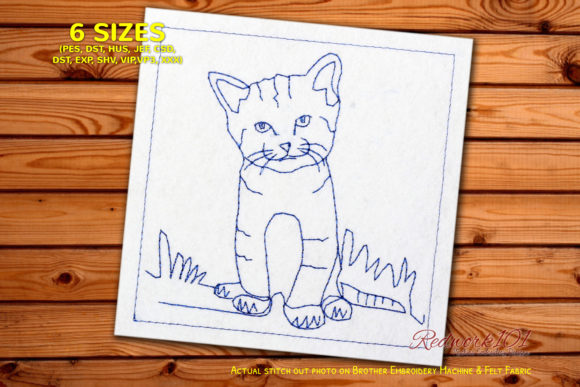
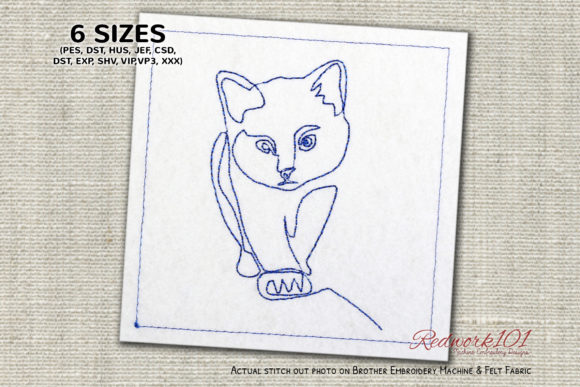
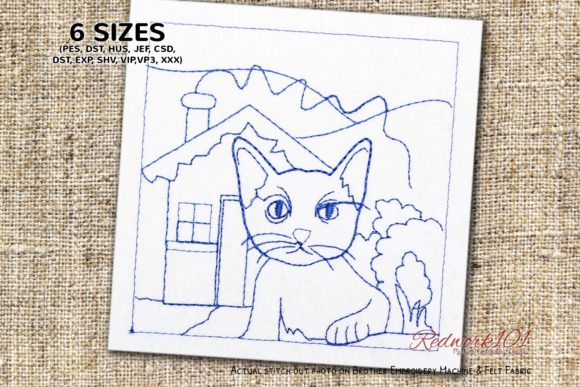
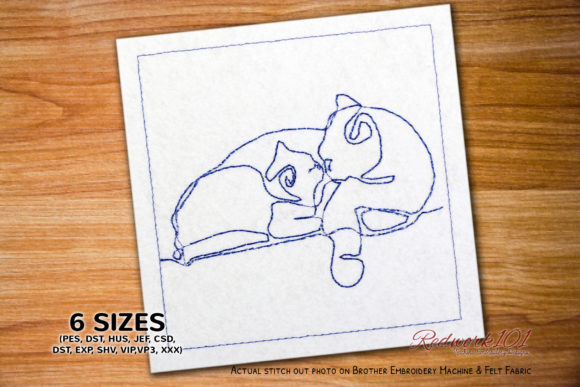
As a designer who spends more time staring at stitch maps than most people spend on their phones, I approach every new machine embroidery design with a mix of excitement and skepticism. When I first pulled up the Mom Cat Loves Her Baby Kitten Redwork file on my screen, my immediate reaction was one of quiet appreciation. There is a specific charm to redwork that often gets lost in the era of hyper-realistic 3D puff stitching and dense fill patterns. This design captures a tender moment between a mother cat and her kitten using simple, clean lines that speak volumes about the relationship between the subjects.
The mood here is undeniably nostalgic and warm. It feels like something you would find in an old storybook or stitched onto a heirloom quilt from a great-grandmother's trunk. For those of us running a craft business or selling on Etsy, finding designs that evoke this kind of emotional response is gold. Customers aren't just buying a stitched image; they are buying a feeling. This particular embroidery file leans heavily into that sentimental value, making it a prime candidate for personalized gifts and boutique items where storytelling matters more than flashiness.
Visual Personality and Stitch Structure
The core of this design is its simplicity. As a redwork piece, it relies almost entirely on running stitches to define the shapes of the cats. This is a deliberate stylistic choice that reduces stitch density significantly compared to a standard fill design. From a technical standpoint, this is excellent news for anyone working with textured fabrics or smaller hoops where bulk can become an issue. The lack of heavy saturation means the fabric can breathe, and the drape of the finished product remains soft—a crucial factor if you are planning to use this for baby embroidery or wearable custom apparel.
The layout features the mother cat in a protective, loving pose over her kitten. The lines are fluid, avoiding jagged corners that can sometimes plague digitized outlines. However, because it is a line-based design, the visual weight depends entirely on your thread choice. In my initial assessment, I noted that the "Box Stitch" mentioned in the product notes is optional. This is a vital detail. If you include the box, it frames the image nicely for things like embroidered patches or framed wall art. If you skip it, as the description suggests is common, the design becomes more versatile for placement on curved surfaces like caps or the pocket of a sweatshirt.
Real-World Application: The Tote Bag Test
To truly understand how Mom Cat Loves Her Baby Kitten Redwork performs, I mentally projected it onto a canvas tote bag design I've been developing for a local bookstore's cat-themed event. Canvas is a sturdy fabric with a visible weave, which can sometimes eat up fine details. Because this design uses running stitches rather than dense fills, it sits on top of the canvas texture beautifully without sinking in or causing puckering.
Imagine this stitched in a deep crimson or a rustic terracotta thread against a natural beige canvas. The contrast would be striking yet understated. It wouldn't scream for attention like a neon satin stitch logo, but it would invite a closer look. For a small shop product, this subtlety adds a layer of sophistication. It tells the customer that the item was made with care, not just mass-produced. If I were to sell this as a finished item, I would market it as a "literary companion" bag, appealing to cat lovers and bookworms alike.
Beyond tote bags, this design shines on holiday embroidery projects. Think of a kitchen tea towel during the holidays or a pillow cover for a nursery. The theme of maternal love translates perfectly to baby showers or Mother's Day gifts. Since the design is not overly complex, it stitches out relatively quickly, allowing for higher production volume if you are fulfilling multiple orders for a craft fair.
Navigating Fabric and Hoop Constraints
While the simplicity of redwork is a strength, it also demands precision. When working with stretchy fabric like jersey knits for t-shirts, you must be vigilant with your stabilizer choice. A running stitch has less structural integrity than a fill stitch, so if the fabric shifts even slightly during stitching, the lines of the cat's face could distort. I always recommend using a cut-away stabilizer for wearables to ensure the design holds its shape after repeated washing.
Another consideration is the hoop size. While redwork designs are often scalable, shrinking this too much could cause the running stitches to merge, turning the delicate whiskers or tail into a blurry mess. Conversely, blowing it up too large might make the gaps between stitches too obvious, breaking the illusion of a solid line. Before committing to a client project, always test the design on a scrap piece of your actual production fabric. Check the clarity of the small details, especially around the kittens' ears and eyes.
Dark fabrics present another interesting challenge and opportunity. Redwork traditionally implies red thread on white fabric, but modern interpretations allow for creativity. Stitching this in gold or silver metallic thread on a black hoodie could create a stunning, high-end look for a boutique clothing line. However, ensure your thread has enough sheen and coverage to stand out against the dark background, as thin running stitches can sometimes get lost in deep piles or dark weaves.
Commercial Viability and Brand Consistency
For the Etsy seller or digital product creator, Mom Cat Loves Her Baby Kitten Redwork offers strong potential for brand consistency. Its classic aesthetic fits well within the "cottagecore," "vintage," and "handmade" niches that are currently thriving online. When creating printable mockups for your listings, this design photographs exceptionally well because it doesn't create harsh shadows or glare like thick satin stitches do.
However, a word of caution regarding licensing: always confirm the terms before selling finished items or digital assets. The product description hints at variations in the outer box color and optional elements, which suggests there may be different versions or customization options available. Ensure you have the right to use this for commercial embroidery projects. Nothing kills a small business momentum faster than a copyright strike.
In terms of customer trust, delivering a clean, well-stitched redwork design shows professionalism. It demonstrates that you understand balance and negative space. Buyers of handmade goods are increasingly educated; they can tell the difference between a rushed job and a thoughtful execution. This design, when treated with the right respect for fabric and thread tension, elevates the perceived value of the finished product.
Final Designer Notes
Before you load this onto your machine, take a moment to review your thread palette. While red is traditional, don't be afraid to experiment with slate blue, forest green, or even a warm brown to match specific brand colors. Test the design in black and white mockups first to ensure the contrast works regardless of color. Remember, the optional box stitch can change the entire geometry of the piece, so decide early whether your application needs a frame or a free-floating image.
Ultimately, Mom Cat Loves Her Baby Kitten Redwork is a versatile, emotionally resonant asset for any embroiderer's library. It bridges the gap between hobbyist charm and commercial viability, provided you pay attention to the nuances of fabric texture and stitch placement. Whether you are making a single gift for a friend or stocking shelves for a holiday market, this design has the quiet confidence to stand out in a crowded marketplace.