Review: Angry Cat in Window Bluework Design
As an embroidery designer who has spent years testing digital files for real-world application, I approach every new machine embroidery design with a critical eye. It is not enough for a pattern to look cute on a screen; it must translate beautifully onto fabric, withstand washing, and resonate emotionally with the end customer. Recently, I had the opportunity to test the Angry Cat in Window Bluework for a potential line of personalized gifts. This review breaks down how this specific file performs for Etsy sellers, crafters, and small shop owners looking to expand their catalog with character-driven items.
First Impressions: Mood and Charm
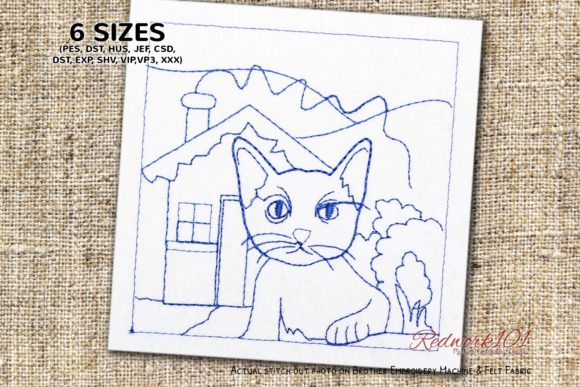
The moment I loaded the digital embroidery file into my software, the personality of the design jumped out. There is something undeniably charming about an "angry" cat peering through a window. It strikes a perfect balance between playful grumpiness and artistic elegance, typical of the bluework style which relies on monochromatic shading to create depth. Unlike overly complex designs that can look muddy when stitched out, this piece feels clean and modern. The mood is whimsical yet sophisticated, making it versatile enough for a nursery setting or a quirky kitchen decor item. For those of us in the business of creating handmade products, finding a design that evokes an immediate emotional response is half the battle won.
Ideal Applications for Personalized Gifts
When planning a product line, versatility is key. The Angry Cat in Window Bluework shines across several categories. For baby embroidery, this design is a standout choice for nursery blankets or bibs. Parents often appreciate animal motifs that have a bit of attitude rather than just generic sweetness. Imagine this stitched in soft pastel blues on a minky blanket; it becomes an instant heirloom.
Beyond the nursery, this design is excellent for home goods. An embroidered towel featuring this cat would make a delightful housewarming present. The bluework technique ensures that even on textured terry cloth, the details remain visible without getting lost in the loops. I also see great potential for pillow cover collections. A set of throw pillows with varying "window" scenes could become a signature product for a home decor brand. Furthermore, for wedding gifts or bridal showers, stitching this onto a high-quality linen apron or a tote bag adds a touch of humor and personalization that mass-produced items simply cannot match.
Technical Considerations and Fabric Choices
While the aesthetic appeal is high, practical execution requires attention to detail. One of the most important notes from the product description is regarding the optional box stitch. The description states: "The Box Stitch shown in the picture is optional. The color of the outer box is a different color in most of the designs unless it is part of the design itself, you can skip the." This flexibility is a huge plus for custom embroidery projects. It allows the maker to adapt the design to the specific fabric texture and color of the final product.
However, caution is advised when selecting materials. Because bluework relies on tone-on-tone or high-contrast single-color stitching, the choice of thread colors is critical. On dark fabrics, you must ensure your thread has enough sheen or brightness to pop. Conversely, on white or light fabrics, a deeper navy or royal blue will provide the necessary definition. Always test on scrap fabric first. This is non-negotiable for professional results.
You must also consider the stitch density. Bluework can sometimes be dense to achieve that shaded look. If you are stitching on stretchy baby clothes or thin linens, using the proper stabilizer is essential to prevent puckering. For thick towels, a water-soluble topper might be needed to keep the stitches from sinking into the pile. Additionally, verify the hoop size required for this specific file before purchasing, as window scenes can sometimes be wider than standard square hoops accommodate.
Navigating Small Details and Durability
Any design featuring a "window" frame or facial expressions involves fine lines. When scaling this design down for smaller items like pocket squares or coin purses, ensure the small details do not merge together. After stitching your test sample, inspect the cat's eyes and the window panes closely. If the lines are too tight, you may need to adjust the pull compensation in your software or choose a larger size for the finished product.
Durability is another factor for items that will see frequent use, such as kitchen towels or tote bags. Ensure that the satin stitches or fill patterns used in the bluework are secure. A well-digitized file should hold up to repeated washing, but the quality of your stabilizer and backing plays a massive role here. For products intended as long-term keepsakes, double-check the underlay settings if your machine allows for edits.
Boosting Perceived Value and Sales
From a business perspective, the Angry Cat in Window Bluework has strong potential to increase buyer engagement. In the world of online selling, particularly for an Etsy seller, product photography is everything. This design, with its clear lines and distinct subject, photographs beautifully. It creates a focal point that draws the eye in printable mockup images or flat-lay photos. Customers are drawn to items that tell a story; an angry cat looking out a window suggests a narrative, sparking curiosity and conversation.
This emotional connection translates to perceived value. A simple towel becomes a "character-themed kitchen accessory," allowing you to command a higher price point. It signals to the customer that thought went into the selection of the embroidery file and the creation of the item. For wedding gift designers, offering customization options—such as adding a name below the window frame using complementary lettering—can further enhance the appeal. Just be mindful of lettering size; keep text large enough to stitch cleanly on the chosen material.
Final Verdict for Makers
The Angry Cat in Window Bluework is a robust addition to any designer's library, provided it is handled with technical care. It bridges the gap between novelty and classic style, fitting seamlessly into categories ranging from blanket embroidery to sophisticated home accents. Before committing to a large batch of commercial embroidery orders, remember to check the specific licensing terms associated with the file to ensure you are cleared for resale. Verify all missing technical specs like exact stitch count or recommended hoop dimensions directly from the vendor.
By respecting the nuances of fabric texture, stabilizer choice, and thread contrast, you can transform this digital asset into a tangible product that delights customers. Whether you are creating a one-of-a-kind gift for a friend or stocking your small shop with unique inventory, this design offers the charm and quality needed to stand out in a crowded market.