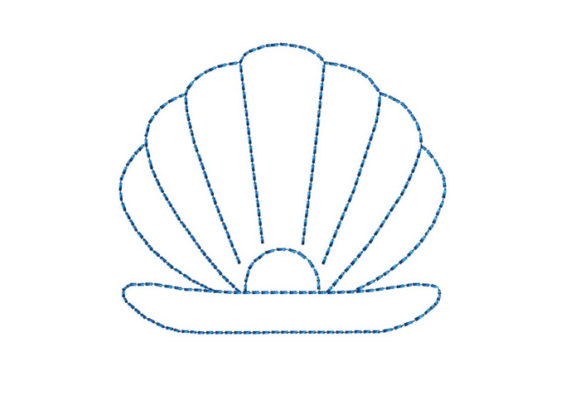
Pearl Bean Stitch: A Designer's Review for Real Projects
As a designer who spends more time at the hoop than away from it, I approach every new machine embroidery design with a mix of excitement and skepticism. We've all been there: a digital preview looks stunning on the screen, but the moment the needle hits the fabric, the reality can be quite different. Today, I'm taking a close look at the Pearl Bean Stitch, a design categorized under Fish themes, to see if it holds up under the scrutiny of actual production work. This isn't just about whether it looks cute; it's about whether it can carry the weight of a paid client order or become a staple in your craft business inventory.
First Impressions and Visual Personality
When I first loaded the digital embroidery file for the Pearl Bean Stitch into my editing software, the immediate takeaway was its textural promise. The name suggests a reliance on decorative stitches rather than standard solid fills, and visually, it delivers on that front. The design captures the essence of aquatic life without resorting to cartoonish outlines. Instead, it leans into a more organic, tactile feel that mimics the shimmer and scale of a fish using varied stitch directions.
The mood here is versatile. It's playful enough for a nursery but refined enough for a boutique kitchen towel. For an Etsy seller looking to differentiate their handmade product line, this visual personality is key. It doesn't scream "mass-produced." The layout feels balanced, suggesting that the digitizer understood how thread interacts with fabric tension. However, before committing to a full run, one must consider how these specific stitch types translate to physical media.
Real-World Application: The Tote Bag Test
To truly evaluate the Pearl Bean Stitch, I envisioned a specific real-life scenario: a custom order for a local market vendor needing a series of eco-friendly tote bags. These aren't just promotional items; they are meant to be sold as premium small shop products. The goal was to create a tote bag design that feels artisanal.
Using a medium-weight canvas, the design performed admirably. The "bean" aspect of the stitching added a raised texture that caught the light, giving the fish motif a dynamic quality that flat fill stitch areas often lack. For a customer running their hands over the bag in a craft fair setting, this tactile element increases perceived value. It transforms a simple bag into a conversation piece. If you are creating custom apparel like a denim jacket or a heavy cotton sweatshirt, this design would likely shine similarly, offering a robust look that withstands casual wear.
However, the application requires forethought. On thinner fabrics, such as a standard t-shirt or a delicate baby onesie, the density of these decorative stitches could cause puckering if not managed correctly. For baby embroidery projects, I would strongly advise testing on scrap fabric first. The texture is beautiful, but comfort is paramount for infant wear. You might need to adjust your stabilizer strategy, perhaps opting for a cut-away stabilizer instead of tear-away to support the weight of the design over time.
Navigating Fabric Challenges and Hoop Constraints
One of the critical factors in reviewing any embroidery project is understanding where it might fail. The Pearl Bean Stitch, with its intricate detailing, demands respect regarding hoop size and fabric choice. While the product description notes it comes in multiple formats, it does not specify exact dimensions. As a professional, you must verify the hoop requirements before purchasing. If the design is large, it may not fit on a standard cap frame, making it less ideal for structured hats unless you are doing a back-panel application on a larger machine.
Textured fabrics present another variable. If you are stitching this onto a waffle-knit towel or a fuzzy fleece blanket, the fine details of the fish scales might get lost. The running stitch elements that define the edges need a smooth surface to pop. Conversely, on dark fabrics, you need to ensure your thread colors have enough contrast. A metallic or variegated thread could enhance the "pearl" effect, but a matte thread on black fabric might render the subtle textures invisible from a distance.
Curved surfaces are also tricky. If you attempt this on a baseball cap, the curvature can distort the shape of the fish, making it look warped. This design feels most at home on flat or slightly curved surfaces like pillow covers, aprons, or wall art. For holiday embroidery gifts, such as ornament sachets or table runners, the flat nature of the fabric allows the design to breathe and maintain its intended proportions.
Commercial Viability and Brand Consistency
For those of us selling design assets or finished goods, consistency is currency. The Pearl Bean Stitch offers a high level of professionalism if executed correctly. It avoids the common pitfall of looking "digitally cheap." When a client receives a personalized gift featuring this design, the quality of the stitch work reflects directly on your brand. It builds trust. A well-stitched fish motif on a beach towel or a printed mockup for an online listing signals attention to detail.
However, commercial use requires due diligence. The description mentions the file can be used in multiple embroiderers, but it lacks specific licensing terms regarding resale. Are you allowed to sell the stitched item? Can you sell the digital file itself? These are questions you must answer before listing on Etsy or pitching to a boutique. Never assume a license covers commercial resale unless explicitly stated. Protect your craft business by confirming these details with the creator.
Practical Notes for the Studio
Before you commit this design to a client's garment, here is a checklist based on my experience:
- Test First: Always stitch a sample on the exact fabric type you plan to use. Scrap fabric from the same bolt is essential.
- Check Density: Inspect the back of the sample. If there is excessive thread buildup, you may need to reduce tension or change stabilizers.
- Color Contrast: Test the design in both light-on-dark and dark-on-light scenarios to ensure visibility.
- Detail Inspection: Zoom in on the smallest corners of the fish motif. Ensure the satin stitch or bean stitches don't bridge gaps where they shouldn't.
- Wash Testing: If the finished product is meant for frequent washing (like a kitchen towel), wash the sample three times to check for fraying or distortion.
In conclusion, the Pearl Bean Stitch is a compelling option for designers looking to add texture and character to their portfolio. It bridges the gap between whimsical and sophisticated, making it suitable for a wide range of applications from embroidered patches to home decor. While it requires careful handling regarding fabric choice and stabilization, the visual payoff is significant. For the thoughtful maker willing to test and tweak, this design can be a reliable asset in creating memorable, high-quality embroidered goods.