Review: Boy Holding Easter Egg for Craft Fairs
As an embroidery designer preparing for the upcoming spring market season, my eyes are always scanning for designs that strike the perfect balance between seasonal charm and production efficiency. This weekend, I am evaluating Boy Holding Easter Egg to determine its viability for my craft fair booth. When you run a small shop or sell on Etsy, every digitized file must earn its place on your hard drive by translating into a tangible, sellable handmade product. The initial impression of this design is undeniably cute and festive, capturing that specific nostalgic warmth that drives impulse buys during the holiday rush.
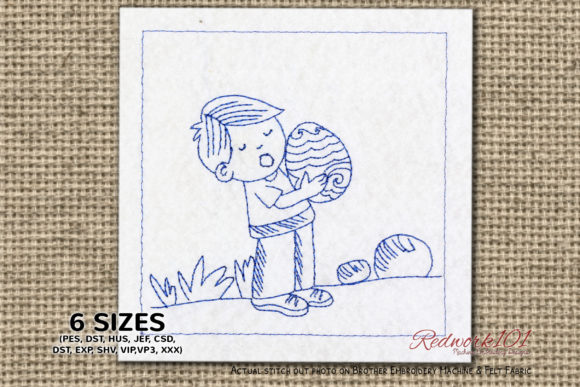
The visual language of Boy Holding Easter Egg leans heavily into the "farmhouse cute" aesthetic. It feels soft and approachable, making it an ideal candidate for items meant to bring joy to a home or outfit. Unlike overly complex scenes that require high stitch counts and long machine times, this design appears to focus on a clear, recognizable silhouette. For a busy Etsy seller or boutique maker, clarity is king. Customers walking past a booth table have seconds to decide if an item catches their eye. A design that reads instantly as a cheerful spring motif has a significant advantage over intricate pieces that require close inspection to understand.
Product Versatility and Booth Display Strategy
In planning my table display, I am visualizing where Boy Holding Easter Egg will perform best. The versatility of a machine embroidery design is often dictated by its scale and density. For this specific motif, I see immense potential on tote bag design applications. A canvas tote with this character centered on the front becomes an instant statement piece for parents taking their children to egg hunts. The simplicity of the boy figure allows it to stand out against various fabric colors without getting lost in the weave.
Beyond bags, this design is a strong contender for apron embroidery. Spring implies gardening and baking, and an apron featuring this character adds a whimsical touch to kitchen duties. Similarly, tea towel embroidery remains a staple of the handmade market. However, one must be cautious with textured fabrics like waffle-weave towels. If the design has fine details, they may get swallowed by the fabric texture. Testing on scrap fabric is non-negotiable here to ensure the lines remain crisp.
I am also considering smaller applications like an embroidered patch or a fabric pouch. If the design holds up at a reduced size, it could be appliquéd onto denim jackets or used as a focal point on zippered cosmetic bags. For cap embroidery, the curved surface presents a challenge. If the design is too wide or has dense fill areas, it might pucker on a structured baseball cap. Careful assessment of the stitch density is required before committing to hooping hats for batch production.
Production Practicality and Batch Efficiency
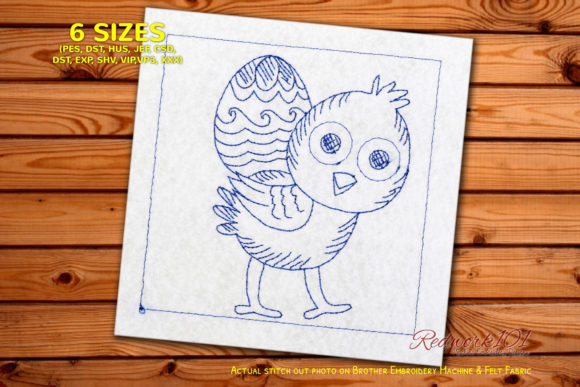
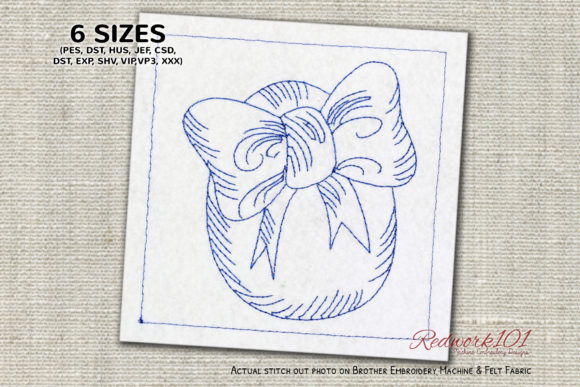
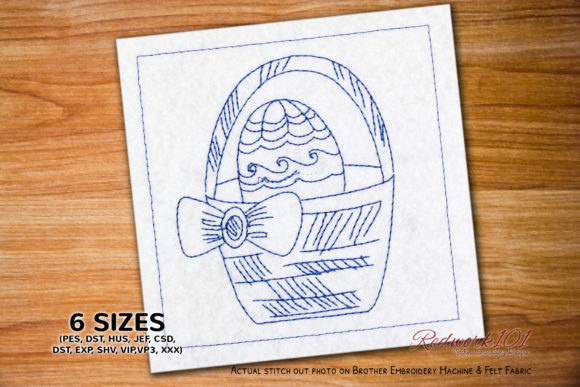
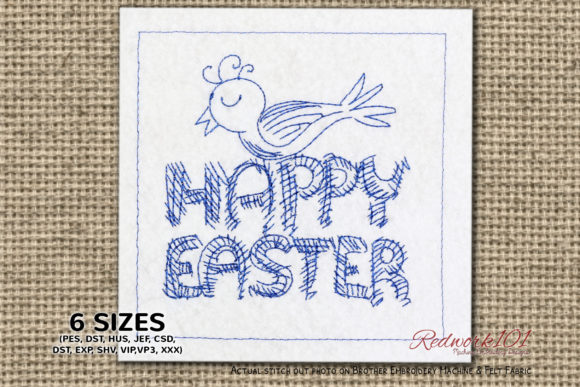
From a production standpoint, the feasibility of Boy Holding Easter Egg hinges on its technical execution. As a professional, I look for designs that are repeatable. Can I run ten of these on tea towels while I manage other machines? Does it require frequent thread changes that slow down the workflow? The description notes that "The Box Stitch shown in the picture is optional." This is a crucial detail for customization. Being able to skip the outer box allows me to adapt the design for different hoop size constraints or to create a cleaner look on minimalist products.
Furthermore, the note stating "The color of the outer box is a different color in most of the designs unless it is part of the design itself" suggests flexibility in thread colors. This adaptability is vital for maintaining brand consistency or matching specific customer requests for custom orders. However, it also places the responsibility on the embroiderer to make smart color choices. High contrast between the boy figure and the background fabric is essential for visual impact. On dark fabrics, ensuring there is enough light thread or underlay to prevent the design from sinking into the material is a key technical consideration.
When photographing these items for online listings or creating a printable mockup, the lighting must highlight the texture of the stitches. Flat lighting can make embroidery look like a print, diminishing the perceived value of the finished product. Properly lit photos that show the dimensionality of the thread work will help justify a higher price point on digital marketplaces.
Critical Technical Considerations
Before adding Boy Holding Easter Egg to my queue of commercial embroidery projects, several practical checks must be made. First, verify the digital embroidery file format compatibility with your specific machine software. Second, inspect the design for tiny details that might not translate well if you plan to resize it significantly. Small lettering or minute facial features can become a tangled mess if scaled down too far.
- Stabilizer Selection: Choose a stabilizer that matches the fabric weight. Heavy cut-away for stretchy knits, tear-away for stable wovens like tote bags.
- Fabric Texture: Avoid using this on highly textured loops unless the design uses satin stitches exclusively, as fill stitches can look uneven on rough surfaces.
- Curved Surfaces: If applying to caps, ensure the design width fits the curvature without distortion.
- Licensing: Always confirm commercial licensing terms before selling. Just because you purchased the file does not automatically grant rights to sell finished goods.
Ultimately, Boy Holding Easter Egg has the potential to be a high-performing asset for spring collections. Its strength lies in its emotional appeal and apparent simplicity. By carefully selecting the right products—focusing on flat, stable surfaces like totes and towels—and paying attention to thread contrast and stabilization, this design can drive significant buyer engagement. For the creative entrepreneur, it represents more than just a pattern; it is a tool for creating connection and celebration in every small shop product it adorns.