Tropical Bird: A Pro Review for Small Business Merch
As an embroidery designer who has spent years digitizing and reviewing files for commercial use, I approach every new machine embroidery design with a critical eye. It is not just about whether the image looks cute on a screen; it is about how that digital embroidery file translates into a tangible asset for a brand. Today, I am reviewing the Tropical Bird design, specifically evaluating its potential for small business merchandise, branded patches, and professional apparel.
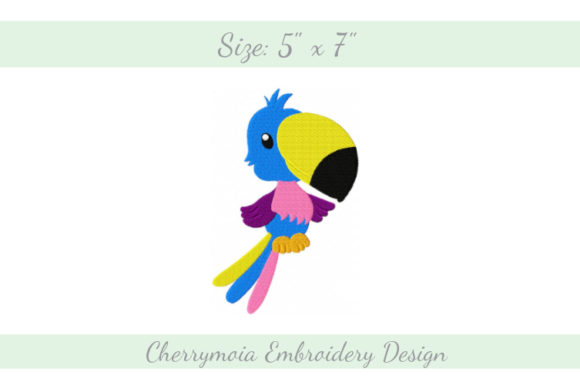
The first impression of Tropical Bird is one of vibrant energy and approachability. Based on the title and the nature of the subject within the Birds category, this design leans heavily into a playful yet polished aesthetic. For a boutique, a creative studio, or a local café looking to inject some personality into their staff uniforms, this design offers a friendly visual hook. However, the product description carries a crucial warning for any professional: "the quality can not be guaranteed when resizing or altering the design." This is a standard but vital disclaimer in the world of commercial embroidery. It tells us immediately that this file was digitized with specific parameters in mind, and deviating from them risks compromising the finished product.
Real-World Application for Brand Identity
When considering Tropical Bird for a real-world business scenario, imagine a florist shop or a pet brand wanting to elevate their customer gifts. An embroidered patch featuring this design could serve as a premium add-on to a purchase, turning a simple transaction into a memorable brand experience. The tropical theme suggests warmth and nature, making it an excellent fit for businesses that want to project an organic or relaxed vibe.
For small business merch, versatility is key. This design could function beautifully as a chest logo accent on a work shirt or as a sleeve detail on a denim jacket sold in a boutique. Because it is a bird motif, it naturally draws the eye without being overly aggressive, fostering a sense of trust and recognition among customers. If used on tote bags, the Tropical Bird acts as a walking advertisement. A well-executed tote bag design becomes a staple item for customers, extending the brand's reach far beyond the storefront.
In the context of brand identity, consistency is everything. If your brand colors align with the natural hues of a tropical bird—greens, blues, oranges, and yellows—this design reinforces your visual language. It helps create a cohesive look across different mediums, from custom apparel to packaging accents. For Etsy sellers and handmade brands, using a high-quality embroidery file like this distinguishes your products from mass-produced items, adding perceived value and justifying a higher price point.
Technical Considerations and Placement Strategy
While the artistic potential is high, the technical execution requires careful planning. The warning against resizing is paramount. In my experience, shrinking a complex design for a tiny cap embroidery placement can lead to thread breaks and lost detail. If you intend to use Tropical Bird on a curved surface like a baseball cap, you must ensure the original digitizing accounts for the push-and-pull of the fabric. If the stitch density is too high, the design may pucker, ruining the professional look you are aiming for.
Similarly, when applying this to textured fabrics, such as heavy canvas aprons or rough linen tote bags, the fabric texture can interfere with fine details. Apron embroidery endures significant wear and tear, including frequent washing. A design that relies on very fine outlines or tiny lettering (if included in the artwork) may degrade quickly under industrial laundering conditions. Therefore, Tropical Bird is best suited for applications where the scale allows the stitches to breathe, such as a medium-sized back patch or a prominent front pocket logo.
Dark uniforms present another challenge. If the thread colors in the Tropical Bird file do not have sufficient contrast against navy or black fabrics, the design will get lost. Before committing to a large production run, it is essential to test the design on the actual garment color. A printable mockup can help visualize the placement, but nothing replaces a physical stitch-out to verify color vibrancy and coverage.
Designer Notes for Commercial Success
To ensure the best results when integrating Tropical Bird into your product line, I recommend following a strict testing protocol. First, always test the design in black and white or grayscale. This strips away the distraction of color and allows you to see if the stitch density and spacing are balanced. If the design looks muddy in monochrome, it will likely have issues in color as well.
Second, verify the hoop size requirements before purchasing. Since the description does not specify the exact dimensions, you must confirm that the design fits within the hoop capabilities of your specific machine. Attempting to force a large design into a small hoop by resizing is exactly what the creator warned against and will result in poor quality.
Third, pay close attention to your stabilizer choice. For items like caps or stretchy performance fabrics used in active wear, a cut-away stabilizer is often necessary to maintain the integrity of the embroidered patch over time. For woven materials like twill or canvas, a tear-away might suffice, but always err on the side of more support for detailed designs.
Finally, and perhaps most importantly, confirm the commercial licensing terms. The description states this is a "digital embroidery file only," but it does not explicitly detail the license scope. As a business owner, you cannot assume personal use licenses apply to goods you intend to sell. Contact the designer or review the full terms to ensure you are cleared for commercial embroidery projects. Using unlicensed design assets can lead to legal complications that far outweigh the cost of the file.
Final Verdict on Tropical Bird
The Tropical Bird design holds significant promise for businesses looking to add a touch of nature-inspired charm to their merchandise. Its potential as a branding tool for cafes, boutiques, and creative studios is strong, provided the technical limitations regarding resizing are respected. By treating this embroidery file with the professional rigor it demands—testing on real fabric, respecting the original scale, and securing proper licensing—you can transform a simple digital pattern into a powerful component of your handmade product lineup. Remember, in the world of Embroidery, the difference between a good design and a great product lies in the execution.