Black Chicken: A Bold Stitch for Kitchen and Apparel Projects
As a designer who spends more time at the hoop than away from it, I approach every new machine embroidery design with a mix of curiosity and caution. We've all seen files that look stunning on a screen but turn into a tangled mess of thread breaks and puckering once the needle hits the fabric. Today, I'm evaluating the Black Chicken design, a piece marketed heavily for kitchen linens but possessing a visual personality that reaches far beyond the countertop. This isn't just a review of a digital file; it's an assessment of how this specific bird motif holds up in the real world of custom apparel, handmade products, and small shop merchandise.
First Impressions: Mood and Visual Personality
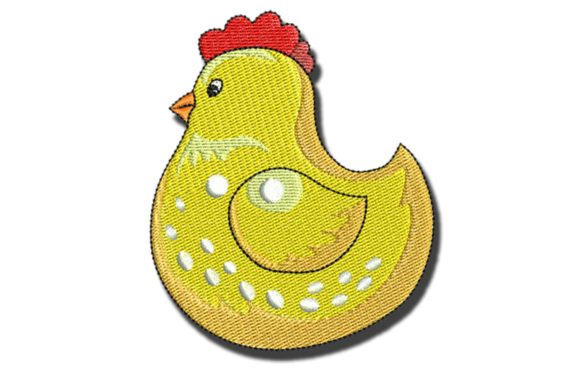
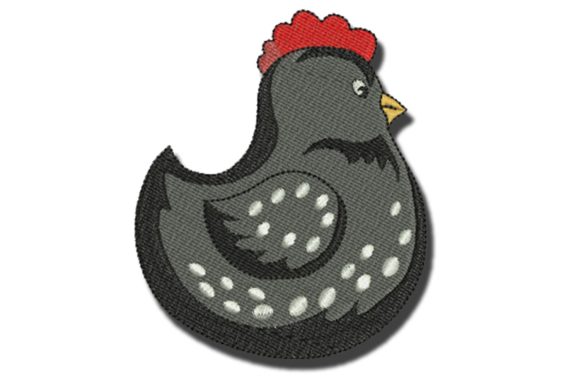
The moment you load the preview of Black Chicken, the mood is immediately clear: rustic, charming, and slightly whimsical. In the world of Birds themed Embroidery, there is often a tendency toward hyper-realism or overly cutesy cartoon styles. This design strikes a balance that feels grounded. It suggests a farmhouse aesthetic without being cliché. The silhouette is distinct, which is crucial for readability, especially when scaled down for smaller items like pot holders or up for large tote bags.
From a layout perspective, the design appears to rely on strong shapes rather than excessive internal detailing. This is a smart move for a design intended for high-use items like oven mitts and dish clothes. When I visualize this stitched out, I see a design that prioritizes durability. The "lovely" aspect mentioned in the description likely comes from the flow of the lines and the character of the bird, rather than intricate feather textures that might snag after ten wash cycles. For an Etsy seller looking to build a cohesive brand around home goods, this visual consistency is gold.
Real-World Application: Beyond the Kitchen Towel
The product description explicitly champions this design for kitchen towels, aprons, and oven mitts. While these are excellent choices, limiting Black Chicken to the kitchen would be a mistake. Let's talk about a real scenario: imagine you are preparing a holiday gift set for a client who loves gardening and cooking. You could stitch this onto a heavy canvas tote bag design for carrying farmers' market produce. The bold nature of a black chicken stands out beautifully against natural linen or heavy cotton canvas.
I also see strong potential in custom apparel. Picture a charcoal grey sweatshirt with this design embroidered on the left chest or centered on the back. Because the subject is a black chicken, working it into sweatshirt embroidery requires thoughtful thread selection. You wouldn't use black thread on a dark grey garment; instead, you might opt for a contrasting white or cream satin stitch outline to make the shape pop, or use a textured fill stitch in a deep navy to create subtle tonal variation. This versatility makes it a valuable asset for commercial embroidery projects where clients demand unique, non-generic imagery.
For those running a craft business, consider the application on embroidered patch blanks. A merrow-edge patch featuring this bird could be a best-seller at craft fairs. Patches allow customers to apply the design to denim jackets, backpacks, or hats later, expanding your market reach without needing to stock multiple garment sizes. The design's clean lines translate well to the dense stitching required for durable patches.
Technical Considerations and Fabric Challenges
Here is where my experience as a reviewer demands honesty. While the description claims this lovely embroidery will look great on "any fabric," we know that is rarely technically accurate. Every embroidery file has limits. If you are planning to stitch Black Chicken on thin fabric, such as a lightweight tea towel or a sheer curtain, you must be vigilant about stabilizer choice. A design with solid areas, implied by the "black" nature of the subject, can cause puckering if the fabric cannot support the stitch density.
Always test the design on scrap fabric first. If you are working with stretchy fabrics like jersey knits for baby embroidery projects (perhaps a onesie for a future little farmer), a cut-away stabilizer is non-negotiable. Tear-away stabilizers might leave the design unstable over time, leading to distortion after washing. Furthermore, if you are applying this to textured fabrics like waffle-weave towels, inspect the small details. Running stitches that look crisp on smooth cotton can get lost in the valleys of a textured weave.
Curved surfaces present another challenge. If you decide to put this on a cap, ensure the hoop size accommodates the curvature without crushing the brim. The front panel of a cap is unforgiving; if the design has wide spans of fill stitch, it may pull the fabric inward, creating a dimple. For caps, I often recommend reducing the density slightly if your software allows, or choosing a version of the file optimized for headwear.
Enhancing Product Value and Customer Trust
In the handmade marketplace, presentation is everything. The perceived value of a finished product relies heavily on stitching clarity. A muddy, poorly digitized bird looks amateurish, whereas a crisp Black Chicken elevates a simple apron into a boutique item. Customers trust brands that pay attention to detail. If the thread colors blend seamlessly and the edges are sharp, it signals professionalism.
This design also scores high on "giftability." Personalized gifts are a massive sector for small shop products. Adding a monogram next to the chicken using a complementary font can transform a standard kitchen towel into a wedding gift or a housewarming present. The neutral yet characterful theme appeals to a wide demographic, from rural homeowners to urban dwellers who appreciate farm-to-table aesthetics. This broad appeal increases buyer engagement and reduces the risk of unsold inventory.
Designer Notes for Successful Execution
Before you commit to a production run or list this as a digital embroidery file in your shop, keep these practical steps in mind:
- Check Thread Contrast: Since the subject is a black chicken, test your thread colors against both light and dark fabric backgrounds. Ensure your highlights aren't lost on dark garments.
- Review Stitch Density: Look closely at the solid areas. If they feel too dense, consider editing the file to prevent needle heat and thread breakage, especially on synthetic blends.
- Verify Hoop Size: Confirm the dimensions fit your intended project. Don't try to force a large design into a small hoop, as this leads to re-hooping errors.
- Inspect Small Details: Zoom in on the beak and feet. These tiny elements often determine whether a design looks professional or cluttered.
- Mockup Testing: Create printable mockups in black and white to see how the design reads without color reliance. This helps judge the strength of the underlying shapes.
- Licensing Check: The description mentions "Excellent designs for..." but does not explicitly state commercial licensing terms. Always confirm whether you are allowed to sell finished items or if the license is for personal use only before listing products on Etsy or other platforms.
Ultimately, Black Chicken is a versatile contender in the Birds category. It offers a rustic charm that fits perfectly into current home decor trends while maintaining the structural integrity needed for functional items. Whether you are stitching a single personalized gift or manufacturing a line of design assets for a boutique, this motif holds promise. Just remember, the difference between a good design and a great product lies in the execution—choose your fabric, stabilizer, and thread with the same care you'd give the design itself.