Hinduism Om: A Spiritual Embroidery Design Review for Craft Fairs
As an embroidery designer preparing for the upcoming weekend craft fair circuit, I spend a significant amount of time vetting new machine embroidery design files before committing thread and fabric to them. The goal is always to find pieces that not only stitch out beautifully but also resonate with customers walking past my booth. Today, I am reviewing the Hinduism Om design, a piece rooted in the Religion category that holds immense potential for spiritual seekers and lovers of mindful living. This review focuses on how this specific file translates from a digital asset to a tangible handmade product that sells.
First Impressions and Aesthetic Appeal
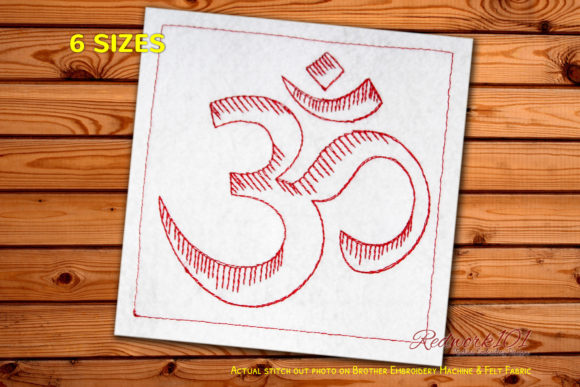
Upon loading the Hinduism Om into my digitizing software, the first thing that strikes me is its versatility. Depending on the thread palette chosen, this design can pivot from a bold, traditional statement to a soft, minimal accent. For a craft fair environment, where visual impact is everything within seconds, the clarity of the Om symbol is crucial. This design feels elegant and decorative, carrying a premium weight that elevates simple blanks into meaningful gifts. It is not overly busy, which makes it perfect for the current trend toward mindfulness and simplicity in home decor and wearable art. The optional box stitch mentioned in the product notes offers a fantastic opportunity for customization; skipping the outer box allows for a floating, modern look, while including it frames the symbol for a more classic, patch-style appearance.
Product Suitability for Market Tables
When planning my booth display, I visualize exactly where Hinduism Om will shine. The most immediate application is a tote bag design. Canvas totes are staples at craft fairs, and placing this spiritual symbol centrally creates an instant connection with buyers looking for yoga gear or meditation accessories. The design works equally well as apron embroidery for those who practice mindful cooking or host spiritual gatherings. Here, the ability to skip the outer box color becomes vital; on a textured apron, a simpler stitch pattern often reads better than a dense, boxed-in graphic.
For smaller impulse buys, I see great potential in creating an embroidered patch. By using a tear-away stabilizer and cutting close to the stitch line, these patches can be sold as add-ons for jackets or bags. Additionally, tea towel embroidery is a high-volume seller in the kitchenware section. A waffle-weave towel with the Om symbol stitched in a contrasting thread color adds a touch of serenity to a chaotic kitchen. However, one must be cautious with fabric texture; highly looped towels can sometimes obscure fine details, so testing is non-negotiable.
Production Practicality and Batch Efficiency
From a production standpoint, the viability of a digital embroidery file comes down to repeatability. Can I run ten of these while managing other orders? The Hinduism Om appears to have a logical stitch sequence that minimizes jumps and trims, which is essential for batch production. If the design includes dense areas, I need to ensure my stitch density settings are optimized to prevent puckering, especially on lighter fabrics like linen pillow covers or cotton market bags.
The product description notes that the color of the outer box is often different unless part of the design itself. This flexibility is a huge plus for an Etsy seller or boutique maker. It means I can offer custom colorways without needing multiple file versions. For instance, a gold thread on navy blue for a premium look, or white on natural canvas for a rustic vibe. This adaptability increases the perceived value of the finished product and allows for brand consistency across different items in my shop.
Technical Considerations and Careful Use
While the design is promising, there are technical hurdles to clear before hitting the "start" button on the machine. First, verify the hoop size requirements. If you intend to place this on a curved surface like a cap, ensure the design fits within a standard cap frame without distortion. Caps are tricky; if the Hinduism Om has tiny details or tight lettering (if any text is included), these may lose clarity on the structured front panel of a hat.
Furthermore, pay close attention to thread colors against dark fabrics. A black Om on a black hoodie will vanish unless you use a glossy or metallic thread to create contrast. If the design relies on the optional box for definition, skipping it on dark fabrics might make the symbol float too ambiguously. Always check if the design assets include a color chart or if you need to map your own threads based on the visual preview.
Another critical factor is the stabilizer. For stretchy fabrics like jersey tees or thin pouches, a cut-away stabilizer is mandatory to support the weight of the stitching over time. On woven items like pillow covers, a tear-away might suffice, but test scraps first. If the design has high density, using too light a stabilizer can lead to fabric gathering, ruining the handmade quality of the item.
Marketing and Visual Presentation
In the digital realm, how does Hinduism Om perform? For online listings, the design photographs exceptionally well because of its strong silhouette. Creating a printable mockup for your website is straightforward; the symbol is recognizable even in thumbnail sizes, which helps with click-through rates on platforms like Etsy. When describing the item, emphasize the spiritual significance and the handmade nature of the embroidery. Terms like "mindful living," "spiritual decor," and "hand-stitched detail" help attract the right demographic.
For physical booth displays, group items by theme. Place the embroidered tote next to the pillow cover and the patch to show versatility. This cross-merchandising encourages buyers to purchase multiple items. The design's connection to Religion and spirituality gives it an emotional hook; customers aren't just buying a towel, they are buying a piece of their daily ritual. This emotional engagement often leads to higher price points and faster sales compared to generic decorative items.
Final Designer Notes and Licensing
Before listing Hinduism Om as a craft fair product or adding it to your small shop product lineup, adhere to these final steps. Always stitch out a test sample on the exact fabric you plan to sell. Check the back of the hoop to ensure no loose threads or excessive buildup that could irritate skin if worn. Confirm the commercial licensing terms explicitly; the product description hints at flexibility with colors but does not specify license limits. Ensure you have the right to sell finished goods made from this commercial embroidery file.
Additionally, since the file format and exact stitch count were not provided in the brief description, request these details from the vendor if they are not immediately visible. Knowing the stitch count helps estimate production time, which is critical for pricing your labor correctly. Finally, experiment with the optional box stitch. Stitch one version with the box and one without, then ask fellow makers or potential customers which they prefer. Their feedback can dictate your entire production run for the season.
In conclusion, Hinduism Om is a robust candidate for the conscientious creator. It balances aesthetic beauty with practical application, fitting seamlessly into the lifestyles of your target audience. With careful attention to fabric choice, stabilizer selection, and presentation, this design can become a cornerstone of your embroidery business, driving both foot traffic at fairs and clicks in your online store.